

The following is a free post, to show the sort of analysis/research/news I share.
The Bank of England appears poised to slow its pace of quantitative tightening, with the September MPC review expected to scale back gilt stock reduction from £100bn to £70bn over the coming year. While active sales are still likely to rise modestly from £13bn to £21bn the composition will shift. Long-end sales will likely remain flat in nominal terms, with the BoE tactically adjusting its maturity mix to reduce pressure on less liquid parts of the curve.
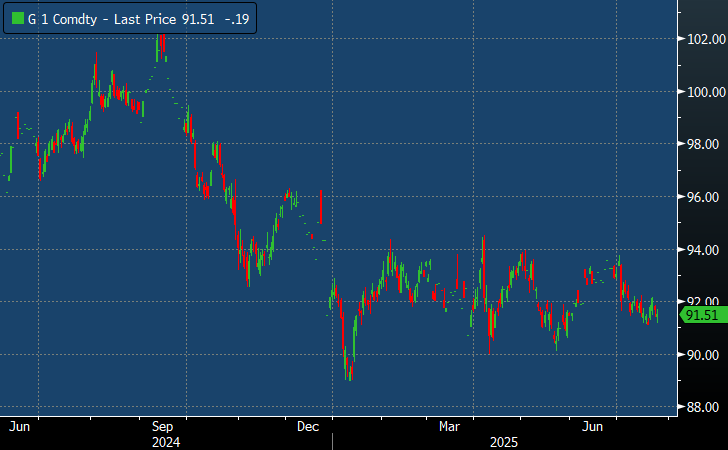
Recent commentary from policymakers has emphasized that QT isn’t on autopilot. Instead, there’s growing sensitivity to how QT interacts with broader market conditions particularly gilt market volatility and the shape of the yield curve. Governor Bailey and other MPC members have acknowledged that changes in gilt yields can't be neatly offset with rate moves alone, a marked shift in tone from earlier messaging.
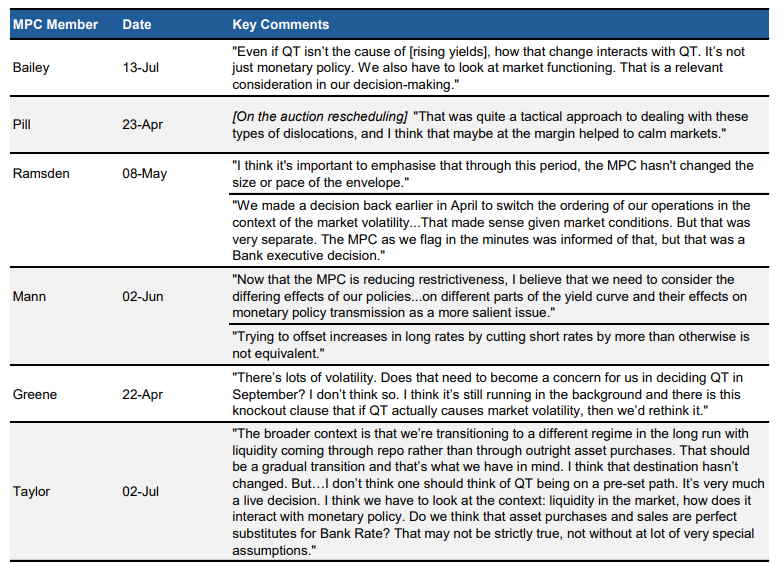
This evolving stance won’t dramatically alter the monetary outlook on its own, as expectations for a slower pace of QT are already largely baked into asset prices. But it adds a layer of nuance to the Bank’s tightening mix, potentially marginally reducing the pressure for rate cuts further out.

All eyes now turn to UK retail sales, due in the coming session. It’s a chance to test just how much domestic demand is holding up amid elevated rates and persistent inflation. A softer print would support the BoE’s pivot toward a more cautious QT approach. A surprise to the upside, however, might complicate that narrative and reintroduce near-term tightening pressure.
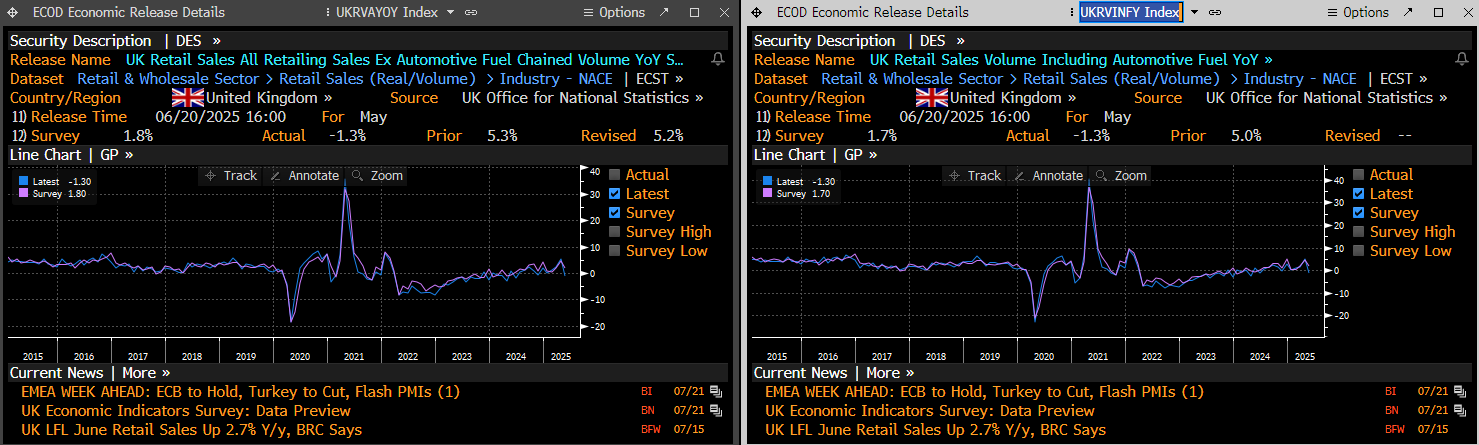
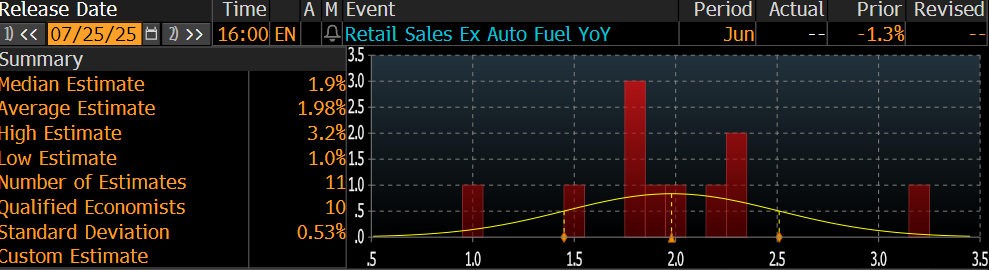
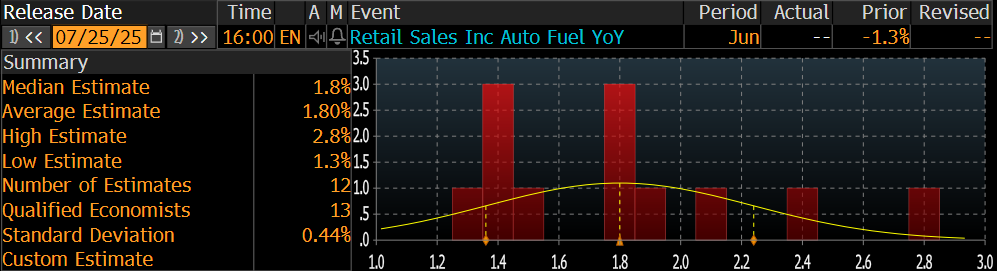
Either way, the BoE’s evolving QT strategy has opened the door to more tactical policymaking and the data will do the talking from here.
All this being said…. I still favour and am running flatteners Dec25/Jun26..