

CPI is firmly in focus with the release of the January 2025 print. Below is a take of what was and is… followed by some trade we are happy to take into CPI.
Key Factors Influencing Current Inflation (Contributing Factors)
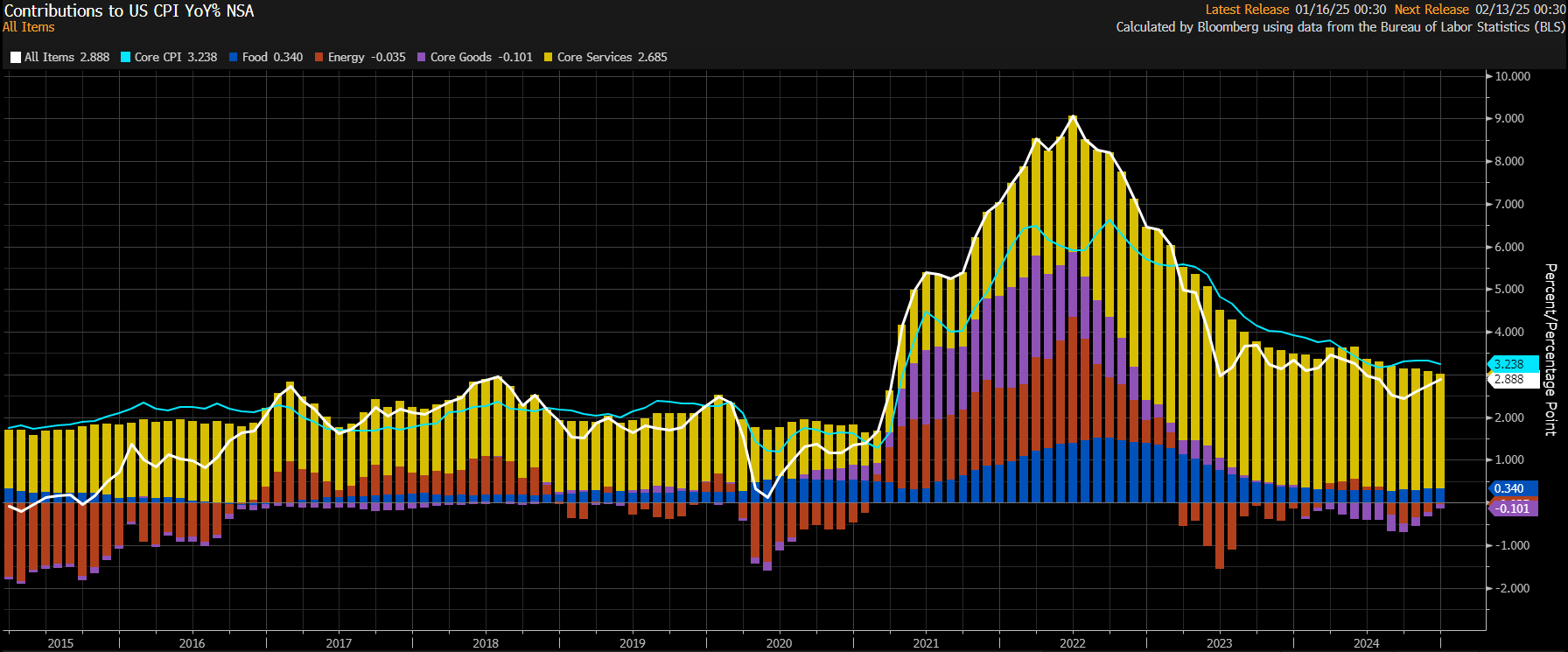
Several underlying factors are driving the CPI in the current environment. Understanding these helps explain why inflation spiked and how it’s evolving now:
Energy and Commodity Prices: Volatile swings in oil, gas, and other commodities have had an outsized impact on recent inflation. In late 2021 and early 2022, energy price shocks were the primary cause of the jump in inflation
. Oil supply disruptions (exacerbated by the war in Ukraine in 2022) led to surging gasoline and natural gas prices, which fed directly into higher transportation and utility costs for consumers. Spiking food prices – partly a result of higher transportation costs and the conflict in Ukraine (a major grain exporter) – also pushed the CPI up. These supply-driven price hikes in necessities acted like a tax on consumers, quickly raising the overall CPI. Fortunately, by late 2022, energy prices began to ease, which helped slow inflation in subsequent months.
Supply Chain Disruptions and Goods Shortages: The pandemic triggered unprecedented supply chain disruptions, which have been a major inflationary factor. In 2021, factories worldwide struggled to ramp up production to meet the sudden post-lockdown demand surge, leading to shortages in key goods. A prominent example was the shortage of semiconductor chips, which limited production of new cars and electronics. With supply constrained, prices for durable goods jumped – used car prices, for instance, skyrocketed as Americans bid up scarce inventory. According to analysis by economists, the combined effect of strong demand for goods and pandemic-related supply shortages was the main driver of inflation in the earlier phase of the post-pandemic recovery (especially in 2021). Supply problems have gradually improved, but disruptions persisted through 2022 in many industries, keeping upward pressure on prices. Even now, global supply chains have not fully normalized, making the prices of many goods sensitive to further shocks.
Labor Market Tightness and Wages: The U.S. labor market rebounded quickly from the pandemic downturn, leading to very low unemployment and many job openings by 2022. A tight labor market can push up wages as businesses compete for workers, and rising wages can in turn feed into higher prices (a classic wage–price spiral scenario). Interestingly, studies have found that labor market tightness has been a secondary factor in the recent inflation spike. Early in the pandemic recovery, wage growth contributed only modestly to inflation compared to the huge impact of supply shocks. However, as the economy stayed hot through 2022, wages did start to climb faster. By 2023, service-sector inflation – often driven by labor costs (think of rents, restaurant prices, healthcare, etc.) – became a concern, even as goods inflation cooled. While wage growth gave consumers more spending power, it also meant businesses faced higher costs. Overall, a historically tight job market has added some inflationary pressure (especially in services), but analysts note it was not the primary driver of the initial inflation surge.
Fiscal and Monetary Policy: Policy responses to the pandemic have also influenced inflation. On the fiscal side, trillions of dollars in federal stimulus (stimulus checks, enhanced unemployment benefits, PPP loans, etc.) put extra money in consumers’ pockets during 2020–21. This supported the rapid demand rebound, but critics argue it may have overheated the economy, contributing to inflation as too much money chased too few goods. On the monetary side, the Federal Reserve kept interest rates at near zero through early 2022 and massively expanded its balance sheet (buying bonds to inject cash into the economy). While these policies were aimed at stabilizing the economy during the crisis, they also made credit extremely cheap and liquidity abundant, which likely boosted spending. By mid-2021, with inflation rising, debate intensified over whether these policies had been too expansionary. Once high inflation became unmistakable, the Fed shifted course to tighten monetary policy. Through 2022 and 2023, the Fed’s rate hikes and the winding down of stimulus (no more government COVID checks, for example) have acted as disinflationary forces, cooling demand. The rapid increase in interest rates – from 0% to over 5% in a year’s time – has begun to slow interest-sensitive spending (like home purchases, which depend on mortgage rates). Thus, policy has swung from pushing inflation up (during the emergency) to now pushing it down (in the fight to restore price stability).
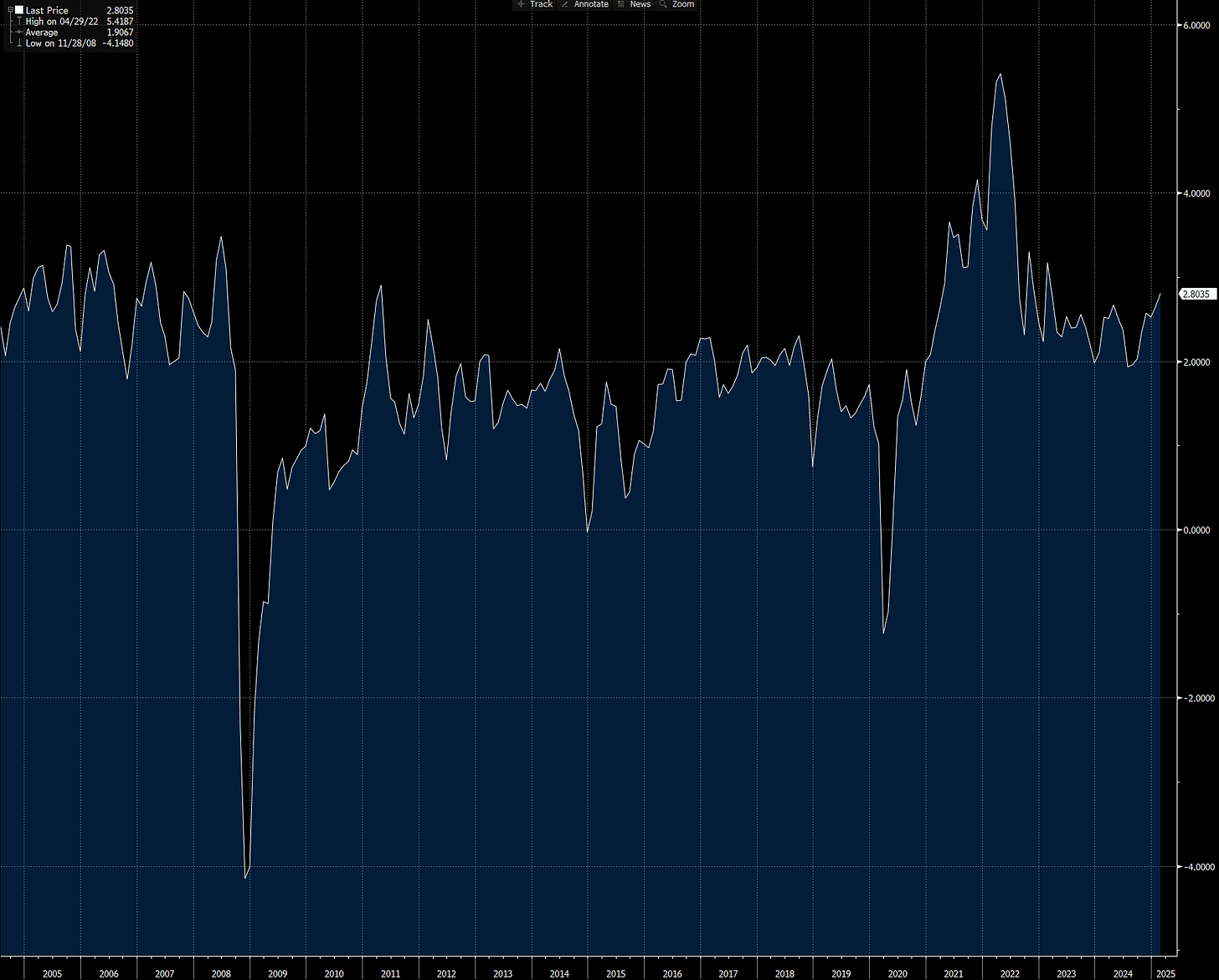
Inflation Expectations (above US 1yr FWD inflation expectations): A more subtle factor is what consumers and businesses expect inflation to be in the future. In the 1970s, once people began to expect prices to keep rising rapidly, those expectations became self-fulfilling (workers demanded higher wages, firms preemptively raised prices). Today, however, the Federal Reserve’s strong anti-inflation stance has helped keep long-term inflation expectations more anchored (stable). While short-term inflation expectations jumped when gas and food prices spiked, surveys show that people generally believe inflation will come back down in the next few years. This credibility is an important asset – it means the U.S. is hopefully less likely to see a 1970s-style wage-price spiral even in the face of a temporary surge in prices. The Fed’s challenge is to maintain that confidence by visibly tackling inflation.
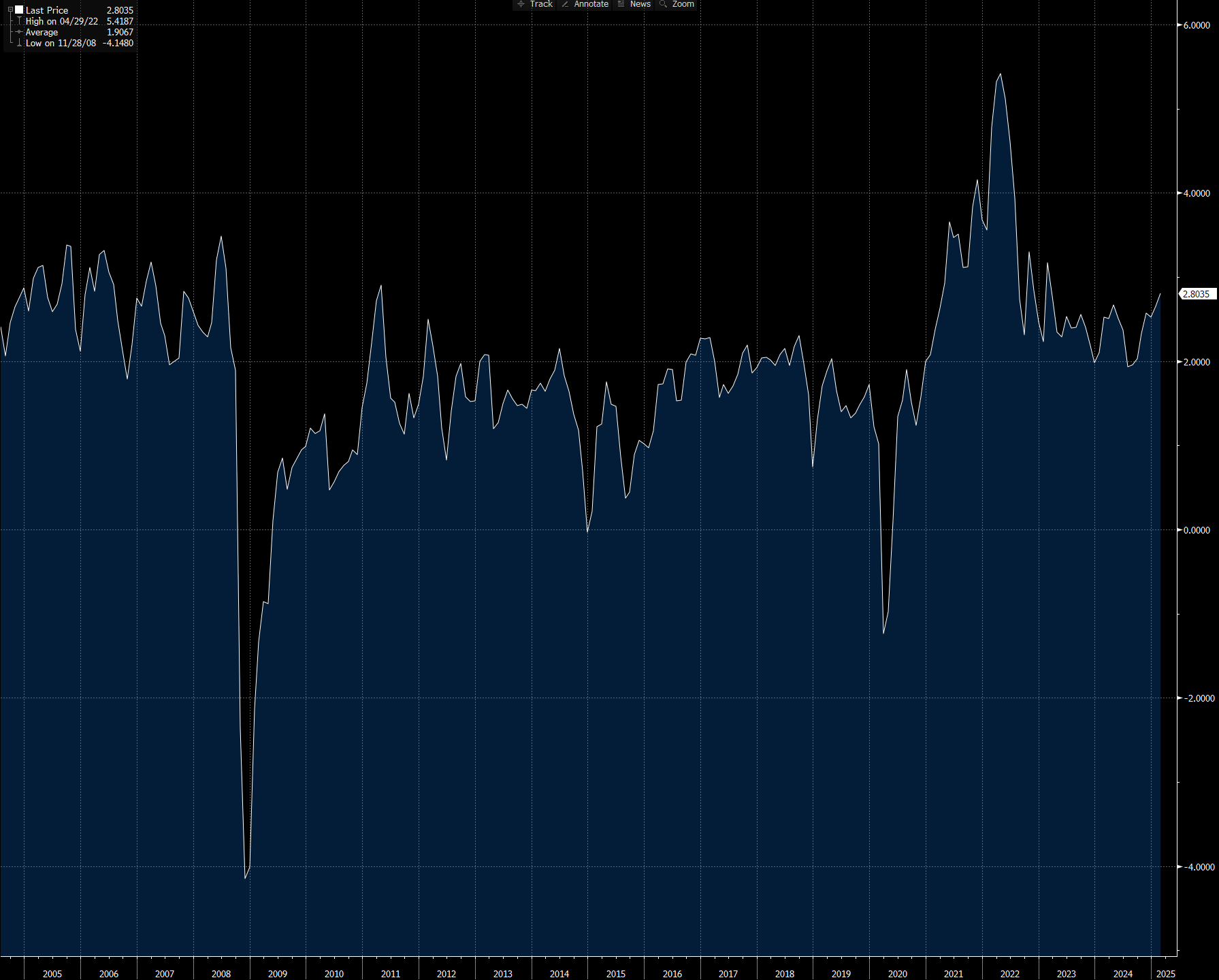
Current Inflation in Historical Perspective
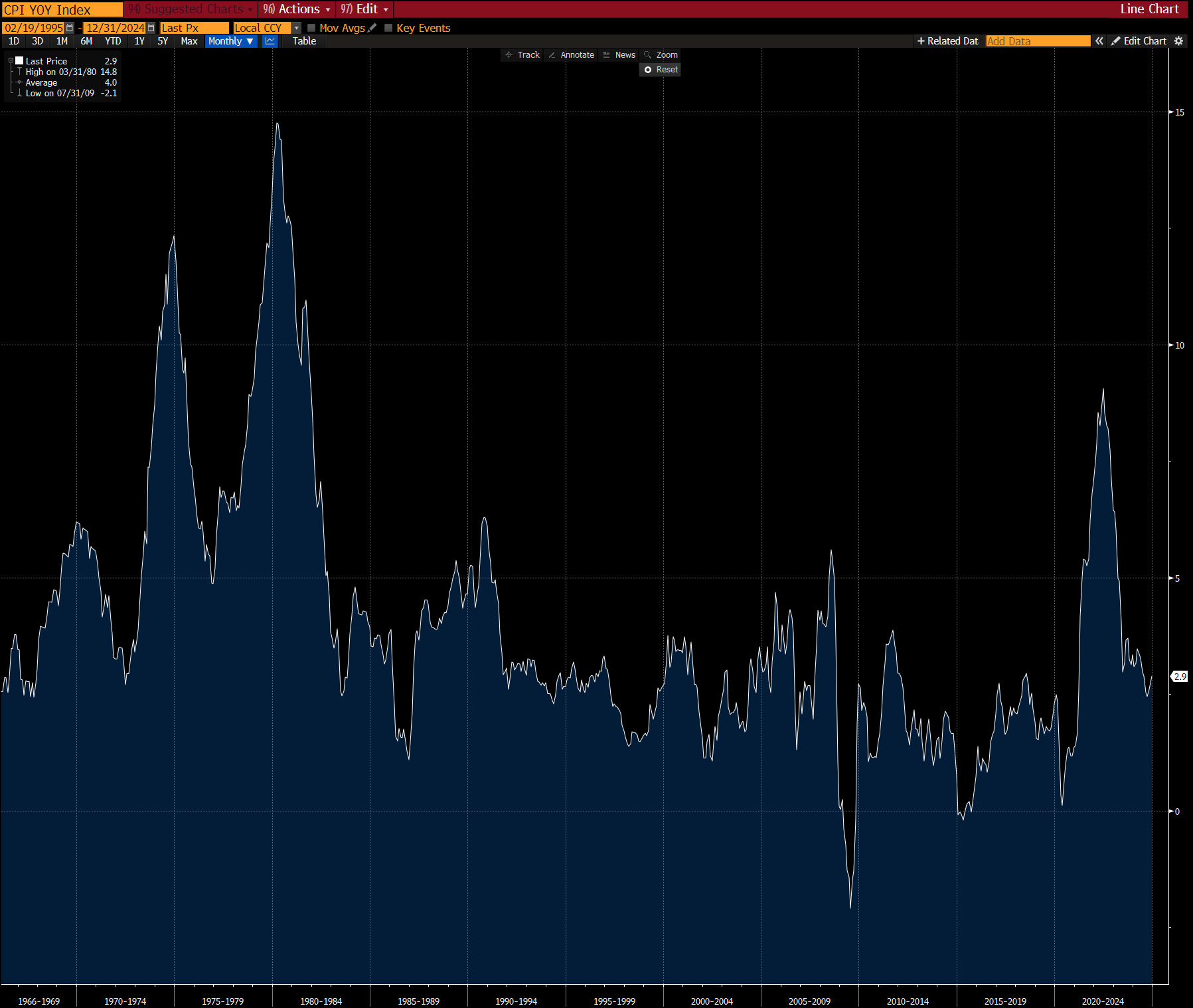
To put recent trends in context: the inflation spike of 2021–2022, while alarming, was not unprecedented in magnitude – but it was the worst the U.S. had seen in about 40 years. The peak CPI inflation of ~9% in 2022 was the highest since the early 1980s. For comparison, during the Great Inflation of the 1970s, inflation stayed above 5% for over a decade and hit double digits twice (mid-1970s and 1980). The recent episode has been sharp but (so far) shorter-lived: inflation shot up quickly over about two years, whereas in the 1970s inflation built up gradually and proved stubbornly persistent until forcefully quashed by policy. In the 1970s, structural factors like unanchored expectations and cost-of-living wage contracts helped entrench inflation. In 2021–2022, by contrast, the surge was driven largely by transitory shocks – a sudden mismatch of supply and demand as the world emerged from a pandemic, amplified by specific events like an energy crisis. Another key difference is the policy response. In the 1970s, the Fed was often seen as behind the curve or too timid to tighten, which allowed inflation to snowball. In the recent case, the Fed, having learned from that era, pivoted to aggressive tightening as soon as it recognized inflation was not fading on its own. While one can debate if the Fed moved “soon enough,” it unquestionably reacted faster and more forcefully than in the 1970s. This has helped prevent a complete unmooring of inflation expectations.
There are also similarities between now and the past. Just as oil embargoes and geopolitical tensions contributed to 1970s inflation, the oil supply shock from the Russia–Ukraine war contributed to the 2022 inflation spike. Both episodes underscore how vulnerable economies are to energy price swings. Additionally, both then and now, inflation has had global dimensions – many countries saw high inflation in the 1970s, and similarly, the pandemic-era inflation jump was a worldwide phenomenon (in 2022, Europe, the UK, and others also experienced their highest inflation in decades). In terms of impact, the squeeze on consumers from rising prices is a common thread: just as families in the 70s struggled with rapidly rising grocery and gas bills, households in 2022 had to adjust their budgets for much costlier food, fuel, and housing.
Crucially, the current battle against inflation is still ongoing, but recent data give cause for optimism. By late 2023, U.S. inflation had retreated to around 3%, a dramatic improvement from the 9% peak. This decline suggests that the combination of easing supply shocks (e.g. lower energy costs) and deliberate cooling of demand (via Fed rate hikes) is working to tame inflation. Historically, bringing inflation down from high levels often required a recession (as in the early 1980s). So far, the U.S. has managed to slow inflation without a deep recession – unemployment remains low even as price pressures ease. If this trend holds, it would mark a notable historical achievement (some dub it a potential “soft landing”). However, history also cautions that inflation can be volatile and can reaccelerate if policy or global conditions change. The Fed in the early 1980s had to stay resolute despite a painful downturn to truly break the back of inflation; policymakers today likewise face the challenge of ensuring inflation is durably contained, even as the economy and financial markets adjust to higher interest rates.
Conclusion: The Economic Landscape Now
The journey of U.S. inflation over the last 50 years – from the double digits of the 1970s, to the gentle 2% pace of the 2010s, to the pandemic-era spike – highlights how economic forces and policy choices shape the cost of living for everyday Americans. Each inflationary episode has had its own triggers and lessons. The 1970s taught the importance of decisive policy and anchored expectations, the 2008 episode showed how quickly inflation can flip to deflation in a crisis, and the recent surge is a reminder that supply shocks and stimulus-fueled demand can collide to produce a sudden burst of inflation.
Today’s CPI trends reflect a tug-of-war between lingering supply-side strains (and past stimulus) pushing prices up, and policy tightening and market adjustments pulling them down. The inflation rate has come down significantly from its 2022 heights, but it remains above the Federal Reserve’s comfort zone. Key components like housing rents and services are still running hotter than pre-pandemic norms, even as goods prices level off. The Fed and other policymakers are closely watching to ensure the current decline in inflation continues.
In context, the current economic landscape features an inflation rate that is elevated but improving relative to the worst of recent history. By comparing it to past episodes, we see that while the U.S. is not reliving the 1970s exactly, the echoes of history (energy shocks, policy dilemmas, global factors) are undeniable. The hope is that by applying lessons learned – maintaining firm monetary policy, addressing supply bottlenecks, and communicating clearly to keep expectations in check – the nation can steer inflation back to a stable path without derailing the economic expansion. In essence, understanding the past 50 years of CPI trends provides valuable perspective: it reminds us why price stability matters and how challenging it can be to restore once lost, and it sheds light on the forces at play as we navigate the post-pandemic economy. With that historical insight, we can better appreciate the significance of the CPI’s every move today, and the collective effort required to sustain a healthy balance between inflation and growth for the future.
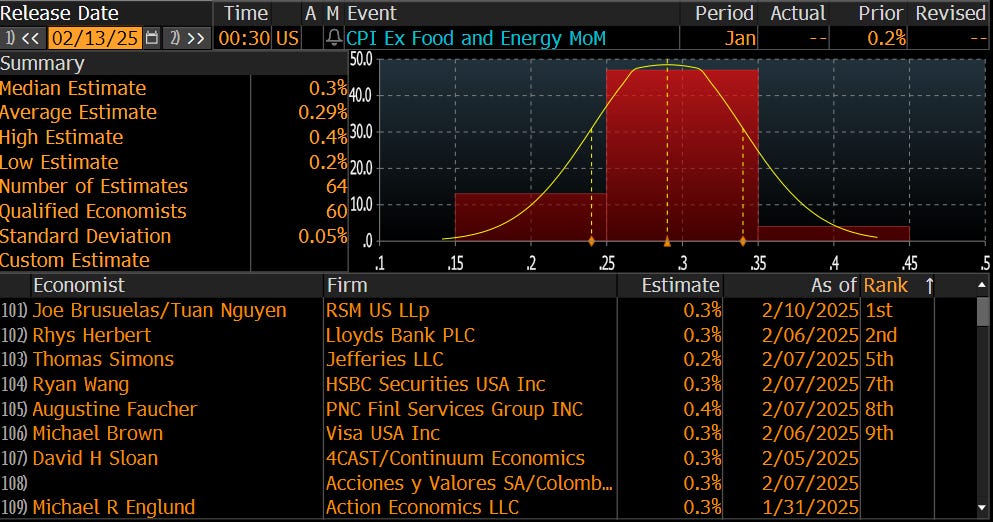
Expectation for the coming print are slightly skewed to a miss (in the core measure)
Trades:
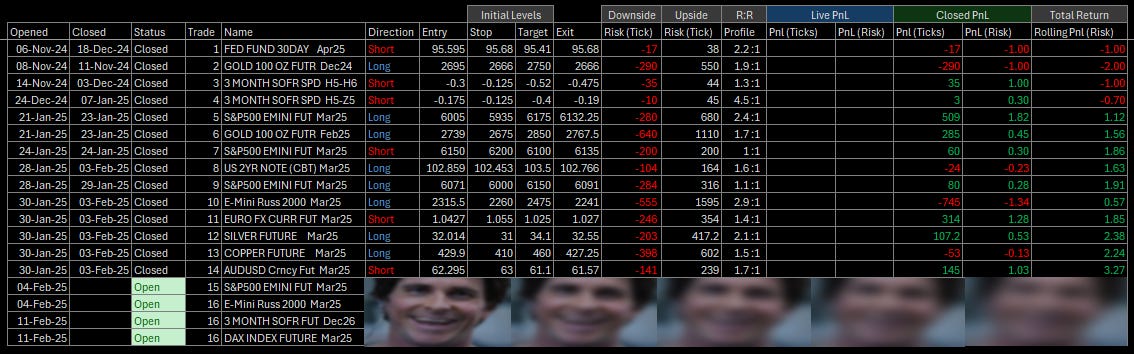
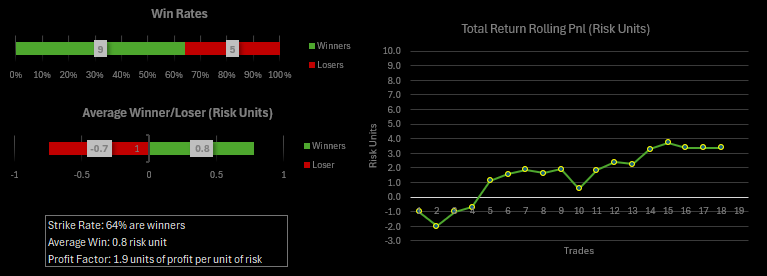
Execution details below
