


Crude Oil
Bias: Short (awaiting better level to enter)
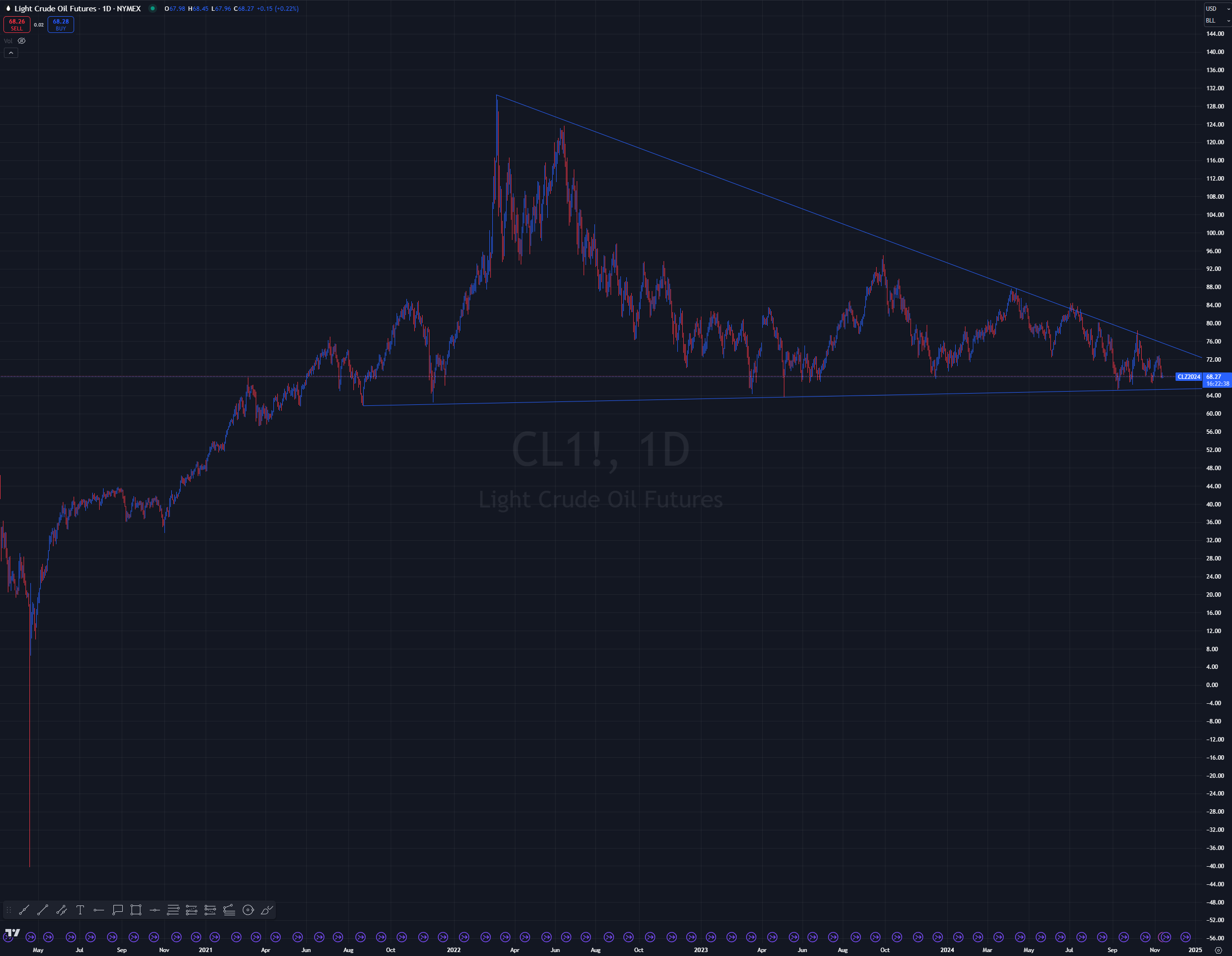
Rationale:
Reduced Global Demand: Economic slowdowns, particularly in major economies like China, have led to decreased demand for oil. China's economic challenges have resulted in lower industrial activity and, consequently, reduced oil consumption.
OPEC's Demand Forecast Revisions: OPEC has revised its global oil demand growth forecasts downward for 2024 and 2025, citing economic weaknesses in regions including China and India. This marks the fourth consecutive downgrade for 2024, with demand now expected to rise by 1.82 million barrels per day (bpd), down from the previous month's forecast of 1.93 million bpd.
Increased Supply: Despite efforts to curb production, certain OPEC+ members have increased output. For instance, Libya's oil production has rebounded following periods of unrest, contributing to a rise in overall supply.
Geopolitical Developments: Tensions in the Middle East, such as Israel's recent strikes on Iranian military targets, have influenced market perceptions. However, the absence of direct impacts on key energy facilities has mitigated potential supply disruptions, leading to a decrease in the risk premium previously factored into oil prices.
US-centric:
Increased Domestic Production: President-elect Trump has pledged to expand U.S. oil and gas production by reducing regulations and opening more federal lands for drilling. This policy aims to boost domestic output, potentially leading to an oversupply in the market, which could exert downward pressure on oil prices.
Trade Policies and Tariffs: The administration's proposed tariffs on imports, particularly from China, may dampen global economic growth. A slowdown in economic activity typically reduces oil demand, contributing to lower prices.
Geopolitical Strategies: Trump's foreign policy approach, including potential sanctions on countries like Iran, could disrupt global oil supplies. Such disruptions might lead to short-term price increases; however, the overall impact would depend on the balance between supply constraints and demand fluctuations.
Regulatory Changes: The anticipated rollback of environmental regulations is expected to lower operational costs for oil producers, encouraging increased production. While this could enhance profitability for companies, the resultant higher supply may further suppress oil prices.
Consideration for a rally:
Increased Global Demand:
Economic Growth: A strong recovery or acceleration in global economies, particularly in major oil-consuming countries like China, India, and the U.S., would boost demand.
Seasonal Demand Spikes: Seasonal trends, like increased heating demand in winter or travel spikes in summer, could contribute to demand-driven price increases.
Supply Constraints:
Production Cuts by OPEC+: If OPEC+ decides to cut production further or extend existing cuts, this would tighten supply and support higher prices.
Geopolitical Tensions: Escalations in key oil-producing regions, such as the Middle East, could disrupt supply. For instance, if tensions with Iran, Iraq, or Saudi Arabia impact production or transport routes (like the Strait of Hormuz), oil prices could surge.
Sanctions on Oil Producers: Reintroduction or tightening of sanctions, especially on major producers like Iran or Venezuela, would reduce global supply and likely raise prices.
U.S. Dollar Weakness:
Since oil is priced in U.S. dollars, a weaker dollar generally makes oil cheaper for foreign buyers, potentially increasing demand. If the Federal Reserve begins cutting rates aggressively or if the dollar weakens due to other economic factors, this could support a crude rally.
Inventory Drawdowns:
Significant reductions in crude inventories in the U.S. and other major stockpiling regions would signal strong demand or reduced supply. This could create an upward price pressure as supplies tighten.
Environmental or Weather Events:
Natural disasters, like hurricanes impacting U.S. Gulf Coast production or transportation, could disrupt supply chains temporarily, leading to short-term price rallies.
Changes in Energy Policies:
Environmental or regulatory restrictions on production in the U.S. or other major oil-producing regions, possibly tied to climate policy shifts, could constrain supply and support higher oil prices.
Investment Sentiment and Speculation:
Positive investor sentiment, driven by expectations of rising demand or tighter supply, can result in speculative buying
In summary, the Trump administration's policies are expected to increase U.S. oil production and may lead to trade-related economic slowdowns, both of which could contribute to lower oil prices. Combined with weakened global demand forecasts, elevated supply levels, and recent geopolitical developments that have not significantly impacted production, crude oil prices are likely to continue facing downward pressure.