

Once you stop treating the front end as a scoreboard, the next step is to stop treating every move in it as if it means the same thing.
That sounds obvious, but a huge amount of market commentary still collapses front-end repricing into a very crude binary. If the front end sells off, people call it hawkish. If it rallies, people call it dovish. If cuts are priced out, it is taken as a sign of strength. If cuts are priced in, it is taken as a sign of weakness. That is tidy, simple, and very often wrong.
Because the front end does not just tell you whether the market is more or less dovish than it was yesterday. It tells you what kind of problem the market thinks the central bank is dealing with. And that is a much more useful question.
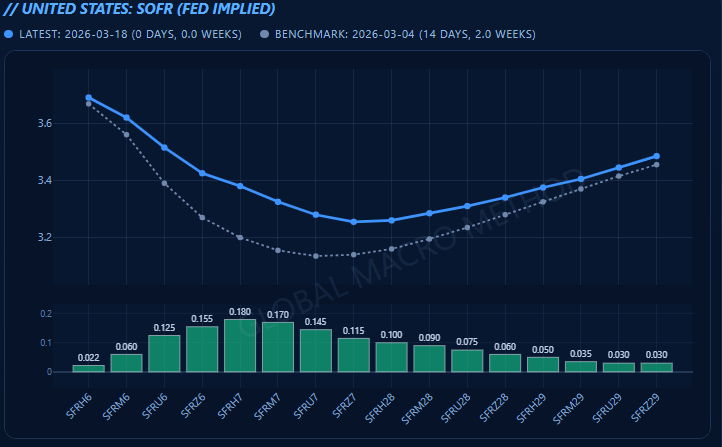
A 15 basis point move in the front end is not self-explanatory. It can be driven by stronger growth, stickier inflation, a deterioration in policy credibility, a temporary shock in commodities, or simply an unwind of expectations that had drifted too far in one direction. The move itself matters, of course. But the character of the move matters much more.
That is where this installment begins. The important question is not just whether the front end is moving. It is what the market is trying to say through that move.
Join up as a paid subscriber and get access to www.globalmacromethod.com for dashboards and models.
