Tuesday, January 28
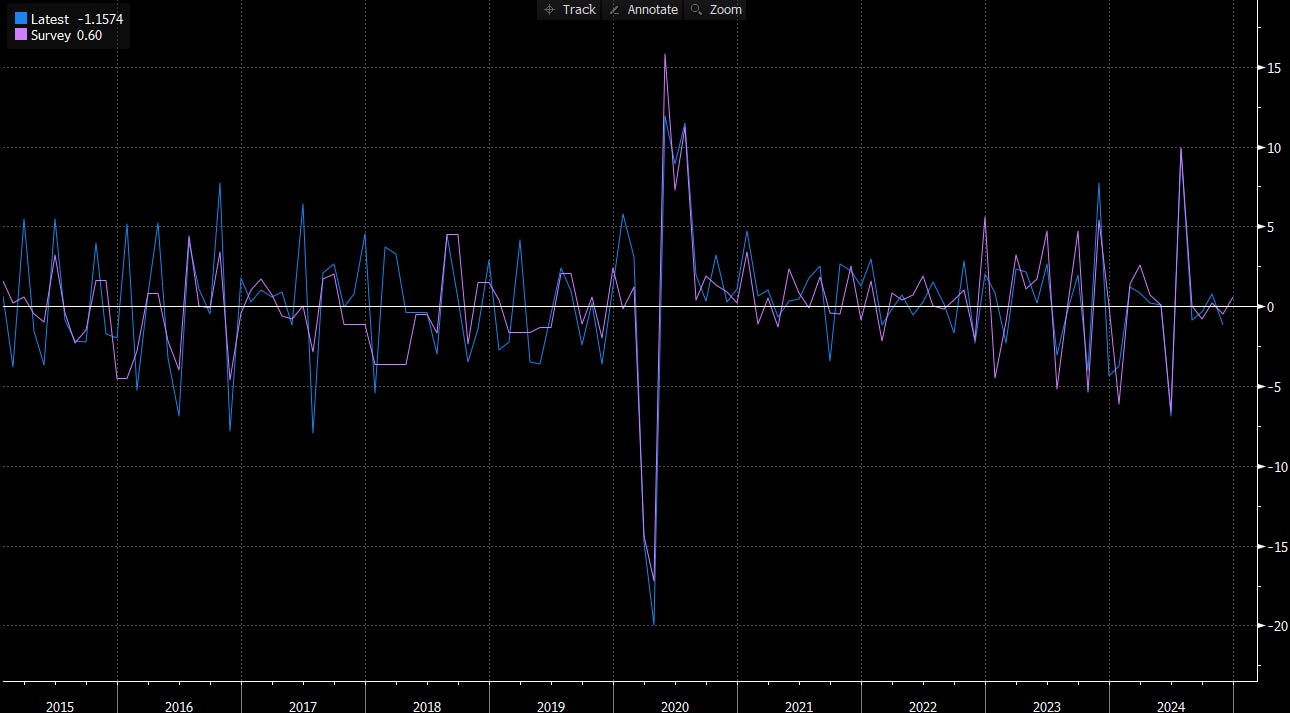
Core Durable Goods Orders m/m (8:30 am): This indicator excludes the volatile transportation sector and reflects business investment in long-lasting goods. The forecast is a modest increase of 0.4%, which will be key in understanding business sentiment.
Durable Goods Orders m/m (8:30 am): A broader measure of the economy's health through the demand for long-lasting goods, with an expected slight rise of 0.3%.
S&P/CS Composite-20 HPI y/y (9:00 am): This is a key real estate price index for the U.S., providing insight into housing price trends. An increase of 4.2% is expected.
Consumer Confidence (10:00 am): A crucial sentiment indicator, which can affect spending and investment decisions. The forecast is 105.7, slightly higher than the prior 104.7.
Richmond Manufacturing Index (10:00 am): This index gauges regional manufacturing activity and provides insights into broader economic conditions. The expected reading is -13, a slight improvement over the prior -10.
Wednesday, January 29
Goods Trade Balance (8:30 am): The trade deficit is expected to widen slightly to -$105.3 billion from -$102.9 billion, showing increased import activity.
Preliminary Wholesale Inventories m/m (8:30 am): A modest increase of 0.2% is expected, indicating the level of goods available for future sales.
Crude Oil Inventories (10:30 am): Key for energy market participants, this data will provide insights into U.S. oil supply and demand dynamics. The forecast shows a drop of 1M barrels.
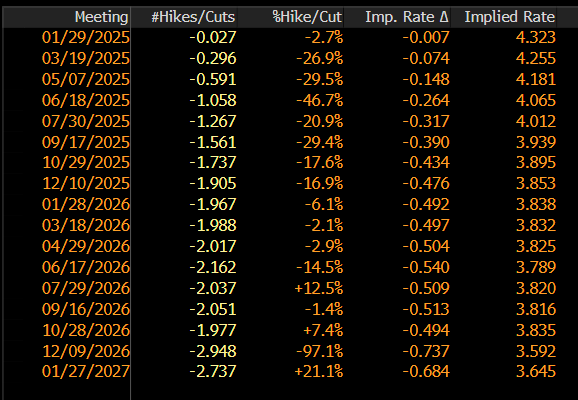
Federal Funds Rate (2:00 pm): A critical decision from the Federal Reserve regarding short-term interest rates. The current rate is expected to remain unchanged at 4.50%.
FOMC Statement (2:00 pm): The Fed’s statement will likely provide key insights into future monetary policy moves.
FOMC Press Conference (2:30 pm): A key event for understanding the Fed’s economic outlook and potential future actions.
Thursday, January 30
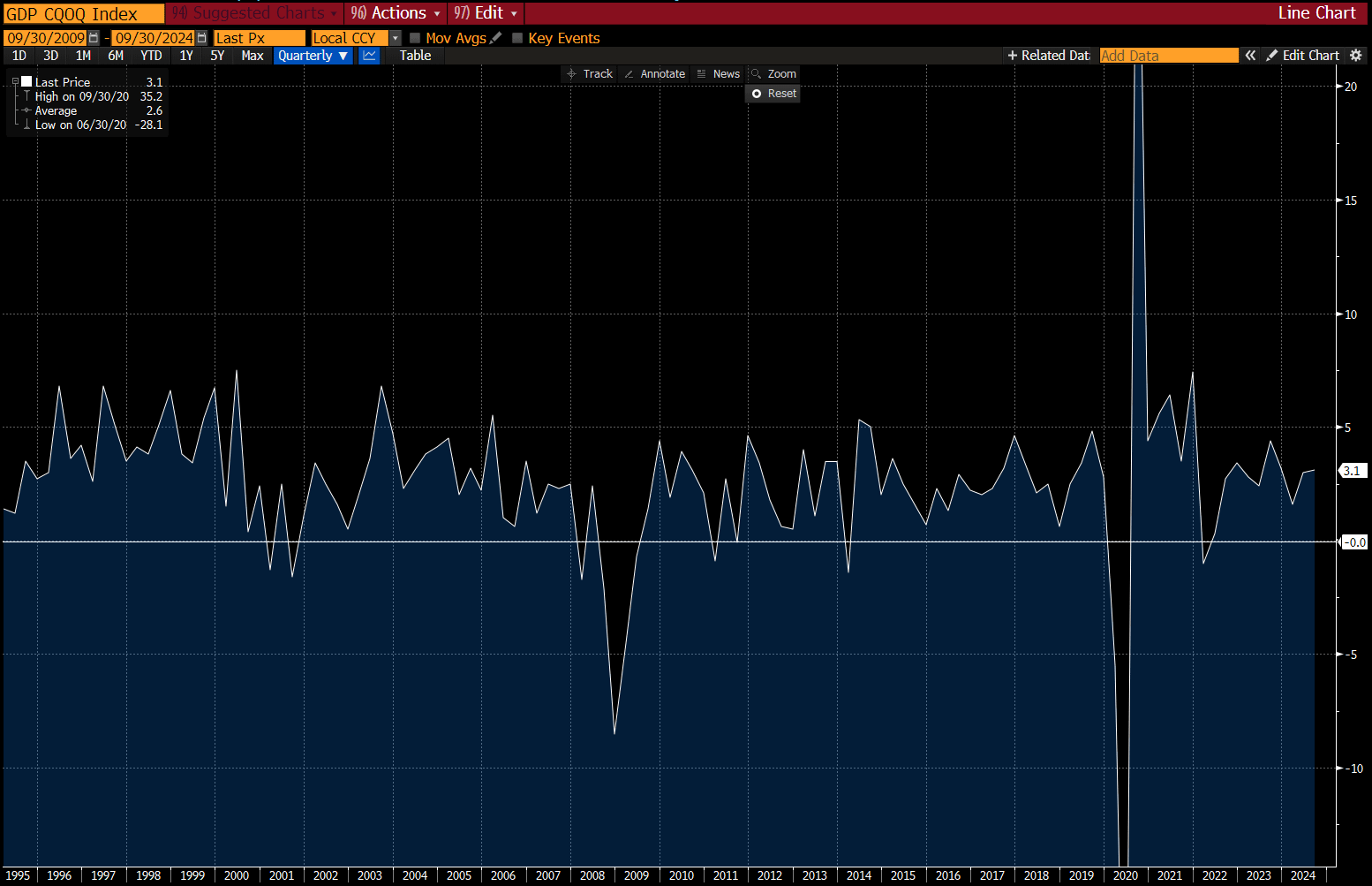
Advance GDP q/q (8:30 am): The first estimate of GDP growth for the quarter, expected to show 2.7% growth, down from 3.1% in the previous quarter.
Unemployment Claims (8:30 am): Claims are forecasted at 224K, showing the number of people filing for unemployment benefits. A slight rise from 223K is expected, indicating a small increase in unemployment.
Advance GDP Price Index q/q (8:30 am): An important inflation gauge related to GDP, expected to show a 2.5% increase in prices.
Pending Home Sales m/m (10:00 am): This is a leading indicator for the housing market, showing the number of homes under contract but not yet sold. The forecast suggests a decline of -0.4%.
Natural Gas Storage (10:30 am): A key data point for energy markets, with a forecasted decrease of -223B in storage.
Friday, January 31
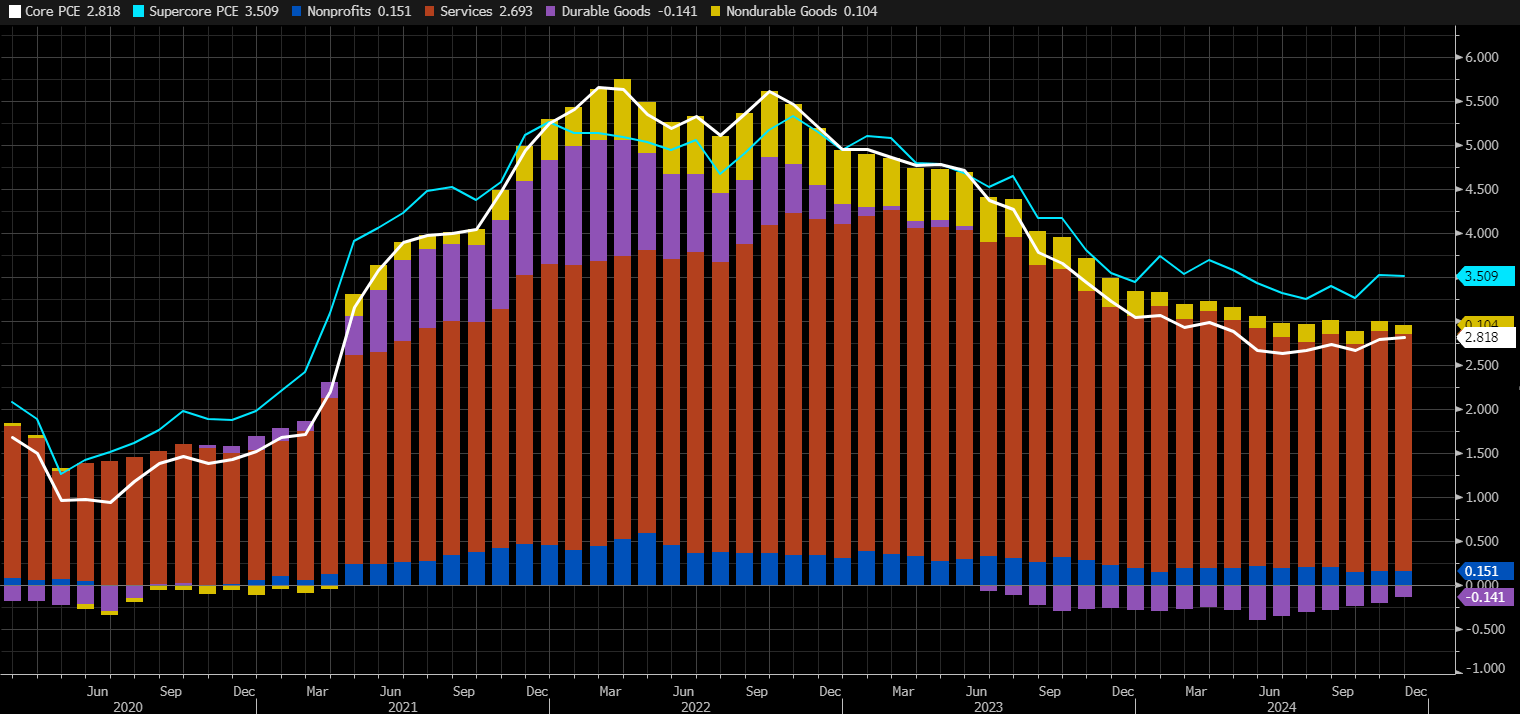
Core PCE Price Index m/m (8:30 am): This is the Federal Reserve’s preferred inflation measure, expected to show a modest rise of 0.2%.
Employment Cost Index q/q (8:30 am): A measure of labor cost changes, with a forecasted increase of 0.9% from the prior 0.8%.
FOMC Member Bowman Speaks (10:00 am): An opportunity for market participants to get additional commentary from a Federal Reserve member, potentially offering clues about future policy.
Personal Income m/m (10:00 am): This data shows the change in personal income, with a forecasted increase of 0.4%.
Personal Spending m/m (10:00 am): Reflects consumer spending habits, expected to increase by 0.5%.
Chicago PMI (9:45 am): A key manufacturing indicator for the Chicago region, showing expected strong growth at 40.6, up from 36.9 in the previous month.
Areas of Focus:
We will be paying attention to the durable goods, FOMC, GDP and PCE. So what are they and why are they important
Durable Goods Orders:
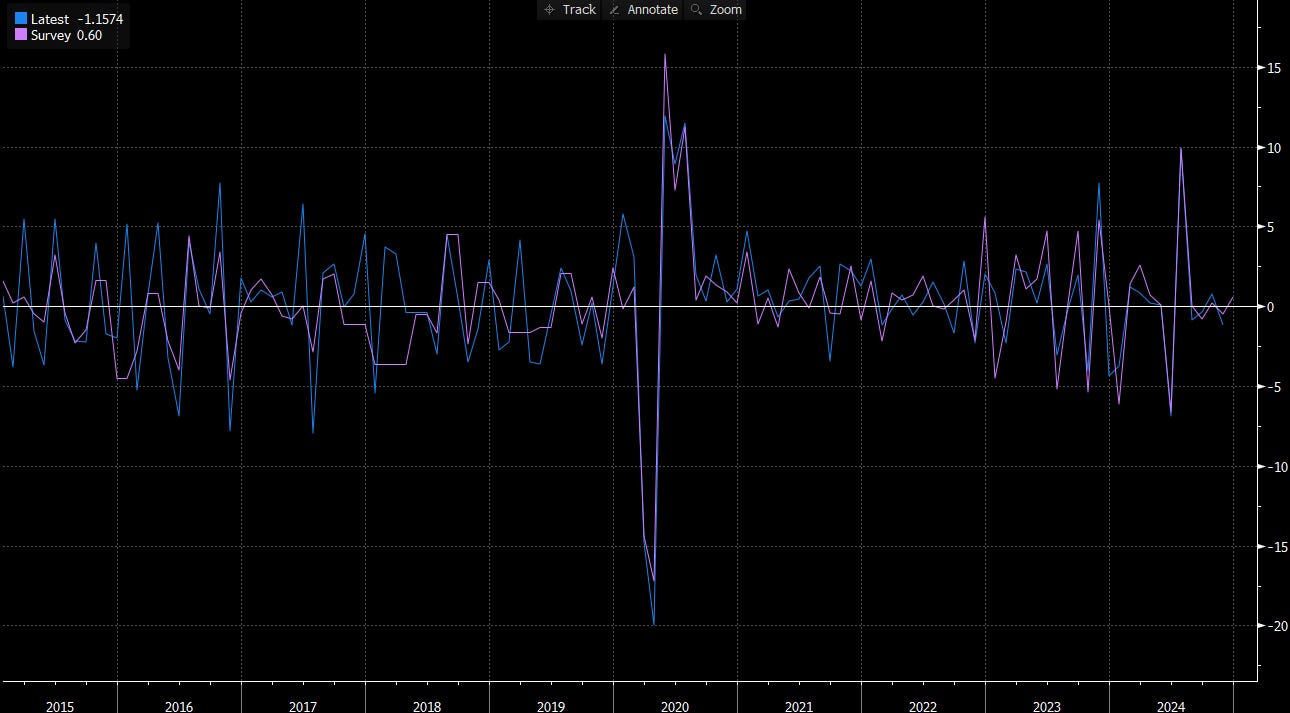
This measures the demand for long-lasting products like cars, appliances, and machinery. When businesses and consumers order more durable goods, it's a sign that they feel confident about the economy and are willing to invest in big-ticket items. Strong durable goods orders often suggest economic growth, while weak orders can signal a slowdown.
FOMC (Federal Open Market Committee):
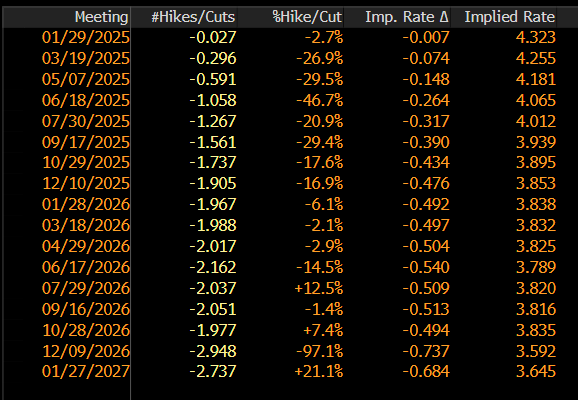
The FOMC is a group within the Federal Reserve (the U.S. central bank) that sets the key interest rates, which affect how much it costs to borrow money. These decisions influence consumer spending, business investments, and inflation. If the FOMC raises rates, it can slow down borrowing and spending to control inflation. If it lowers rates, it encourages more spending and investment to boost the economy.
GDP (Gross Domestic Product):
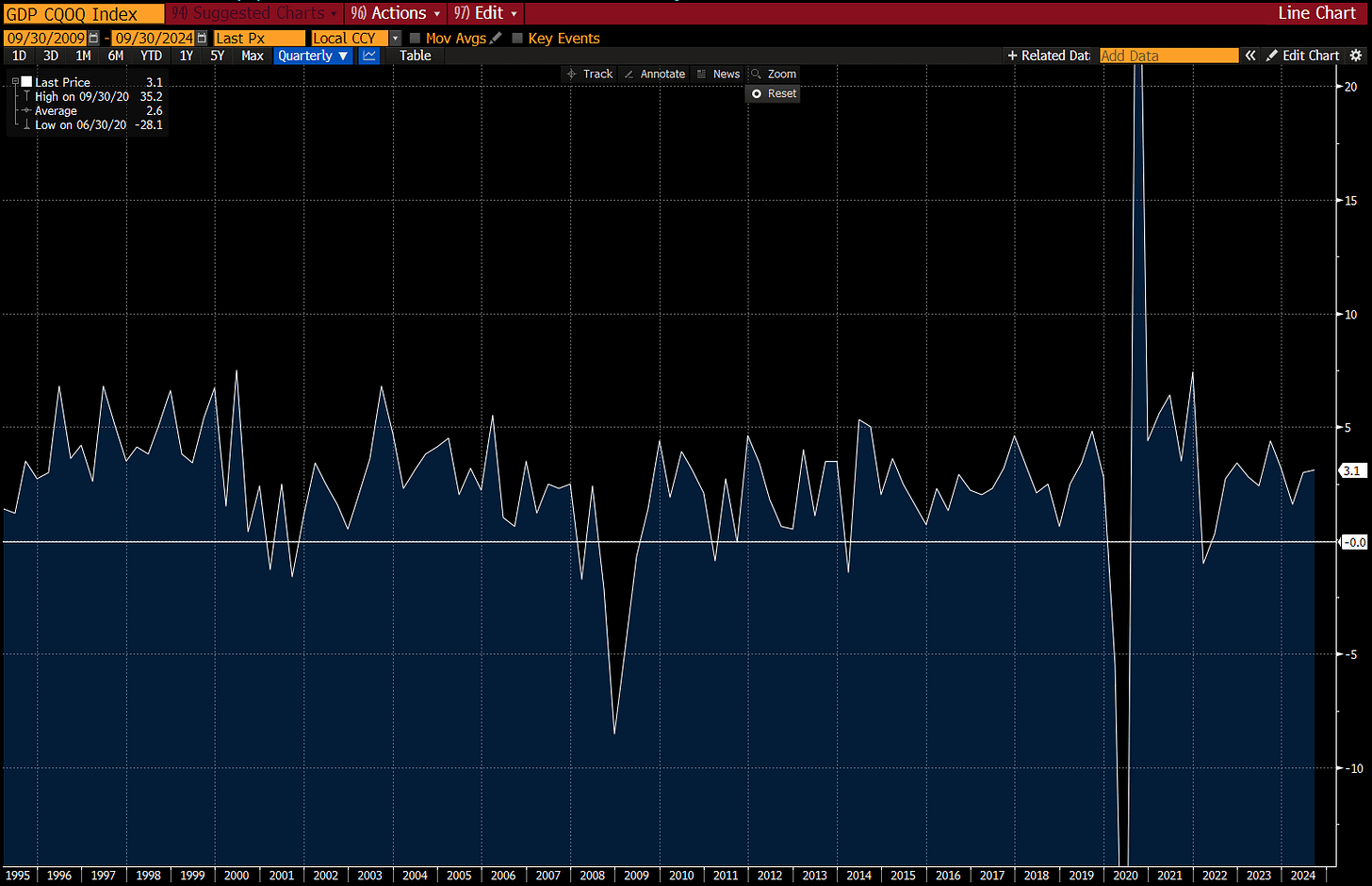
GDP is the total value of all goods and services produced in the U.S. It’s one of the most important indicators of the economy's health. If GDP is growing, it means the economy is expanding, businesses are doing well, and people are employed. If GDP shrinks, it can signal a recession, where economic activity slows down, and people may lose jobs.
PCE (Personal Consumption Expenditures):
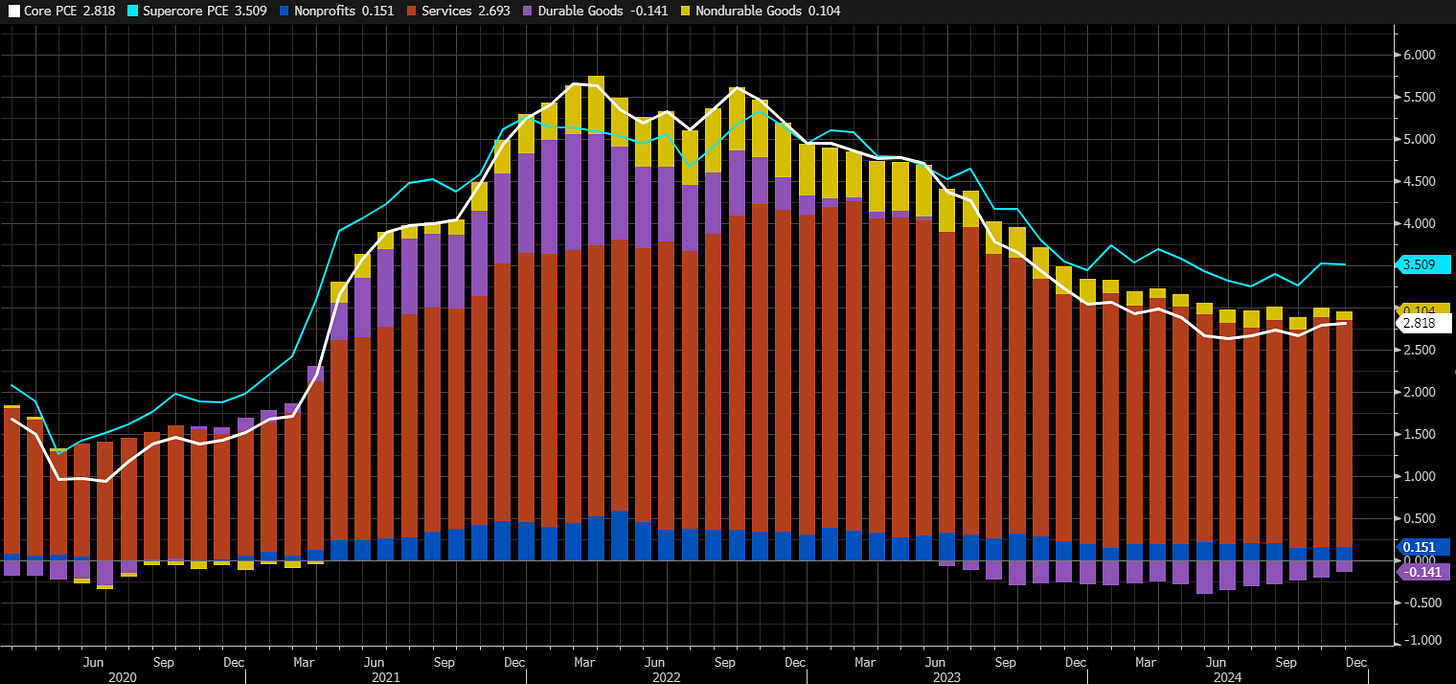
PCE measures the changes in the prices of goods and services purchased by households. The Federal Reserve watches PCE closely because it helps them understand inflation (how fast prices are rising). If PCE is rising quickly, it means prices are going up, which can hurt consumers' buying power. The Fed uses this information to adjust interest rates to keep inflation in check and ensure the economy stays stable.