

Recent Market Dynamics
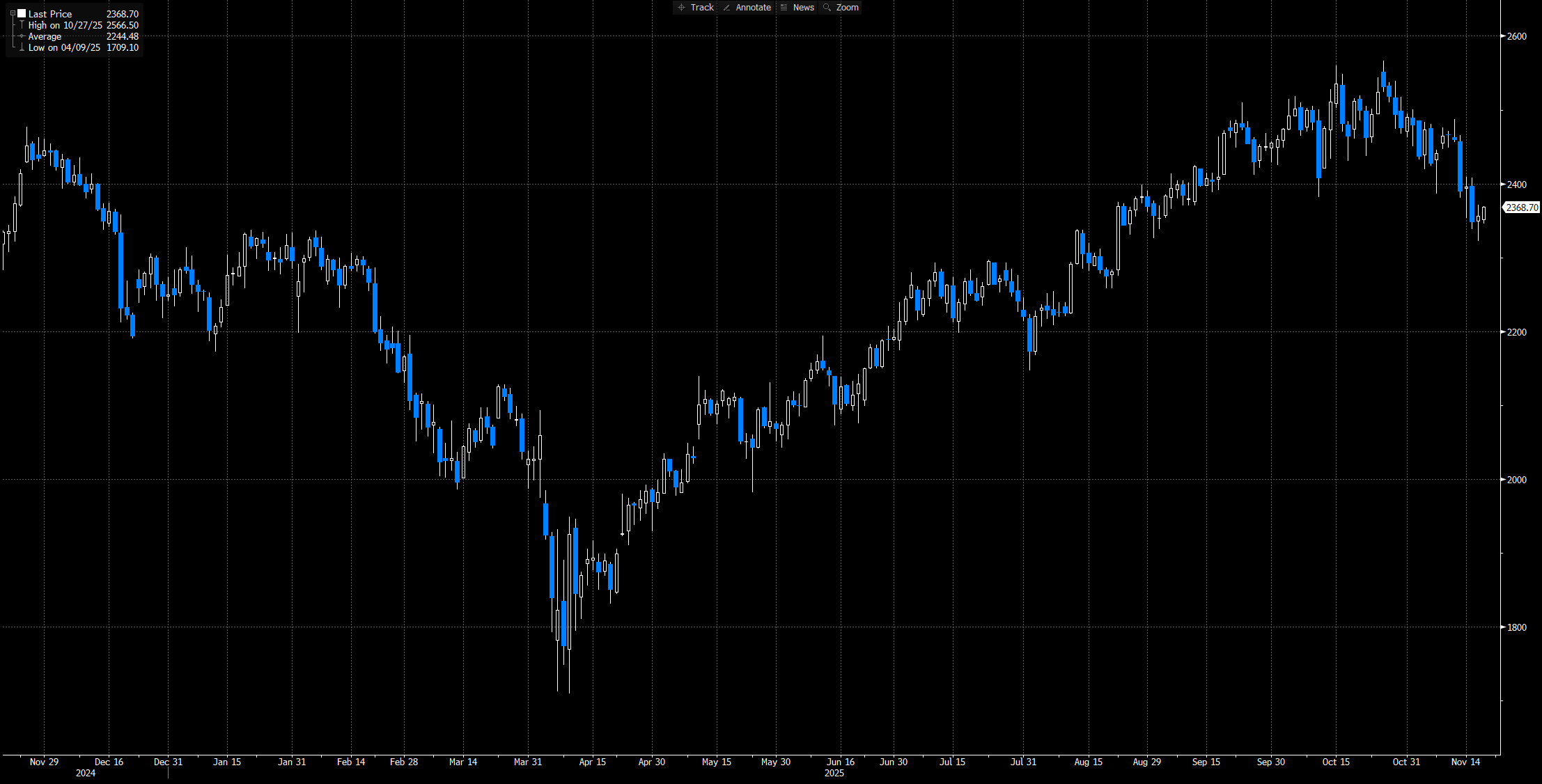
Over the past three weeks, the Russell 2000 has experienced a swift and technically disorderly correction of approximately ten percent from its prior peak. While the magnitude of the move suggests a potential shift in macro regime, a closer examination of the underlying drivers indicates the decline was shaped primarily by narrative-heavy and sentiment-driven influences.
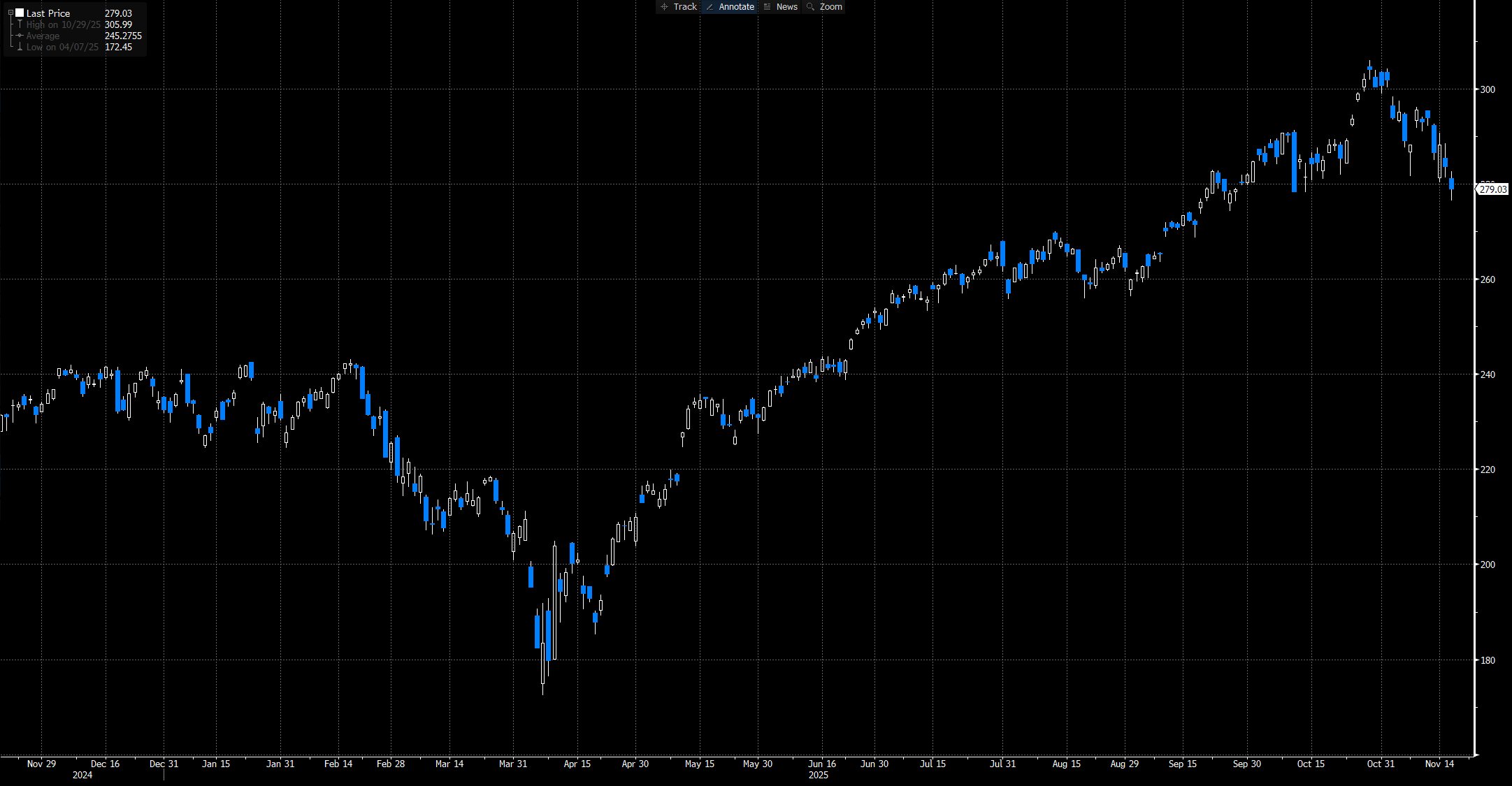
First, investors reassessed AI-related valuations and the velocity of technology spending (10% from highs in the below XLK ‘Tech’ ETF). Concerns emerged over whether the acceleration in AI capex could translate into earnings at the pace implied by market pricing. This scrutiny, focused on the timing and reliability of future earnings, combined with a sharp prior run-up, created an environment where profit-taking quickly spilled into broader risk assets, particularly small caps.
Second, real yields rose sharply, with the 2-year real rate moving roughly 30 basis points higher. Crucially, about 27 basis points of this move came from falling inflation expectations (breakeven compression), not a change in nominal yields. This type of breakeven-driven rise in real yields is typically associated with improved confidence in the inflation path rather than a deterioration in growth or financial conditions. Nonetheless, the mechanical valuation pressure weighed on equities.
