

Last week delivered an uncomfortable global macro message. The US economy is stronger beneath the headline than the growth data suggest, inflation is improving without returning convincingly to target, and the Federal Reserve has preserved its optionality. Yet the most important signal came from the Treasury curve.
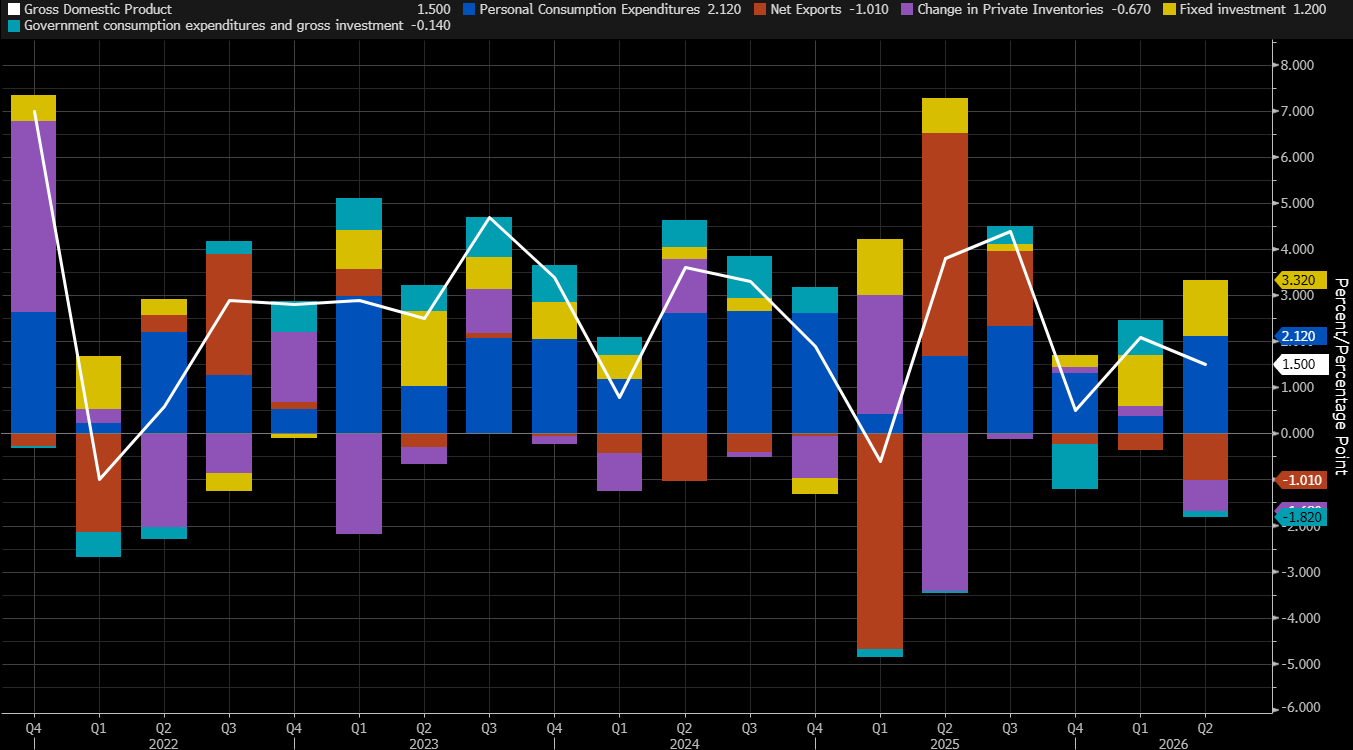
Second-quarter US GDP slowed to a 1.5% annualised pace from 2.1% in the first quarter. Yet real final sales to private domestic purchasers, consumer spending plus private fixed investment, accelerated from 1.7% to 3.9%. Consumption strengthened and equipment and intellectual-property investment remained firm. The economy is still generating real private demand, with the AI and capital-investment cycle offsetting weaker government spending.
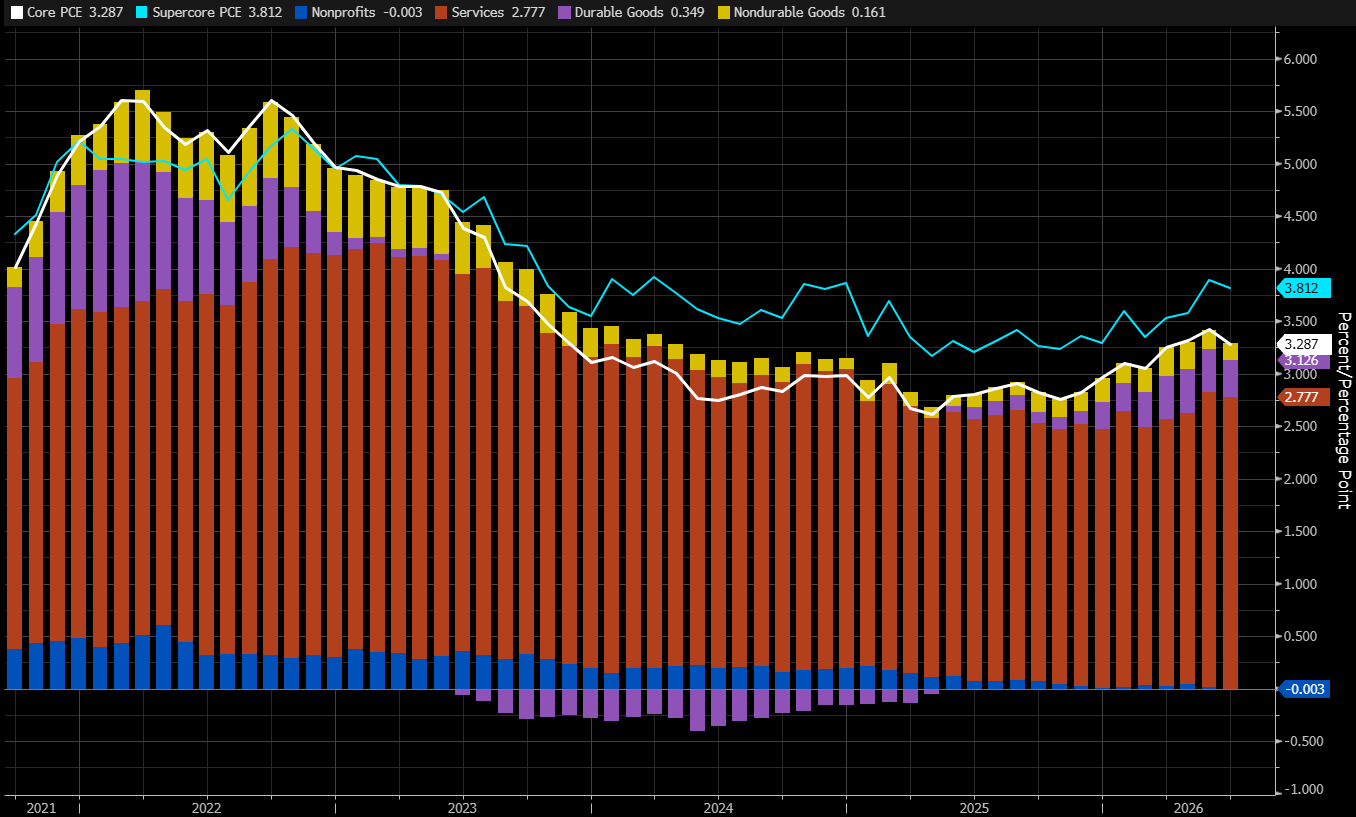
The inflation mix was similarly uncomfortable. June core PCE increased only 0.1% month-on-month, but remained 3.3% year-on-year. Headline PCE was 3.7%. Real consumption rose 0.4%, while the saving rate fell to 2.7%. Consumers are still spending despite a thin savings buffer, while quarterly price measures remained elevated. Disinflation is continuing, but demand remains too resilient for the Fed to take much comfort from one cooler print.
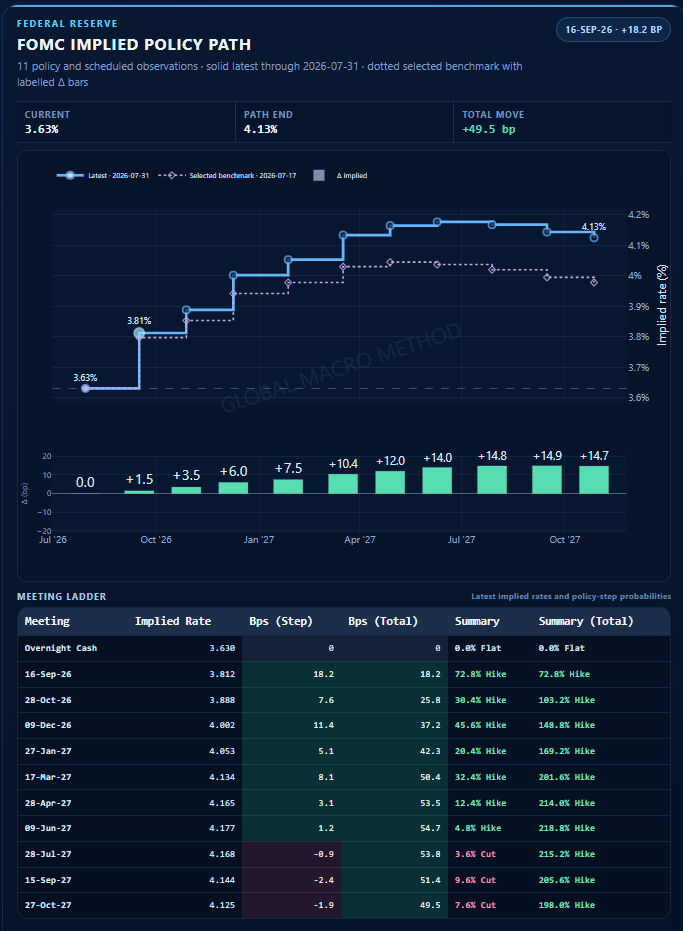
That explains the Fed’s 9–3 decision to hold the funds rate at 3.50%–3.75%. Three officials preferred an immediate 25-basis-point increase, making September a live meeting. More importantly, the market did not treat the hold as dovish. Over the week, the two-year yield fell roughly 5 basis points to 4.28%, while the 10-year rose 6 basis points to 4.75% and the 30-year climbed 11 basis points to 5.27%.
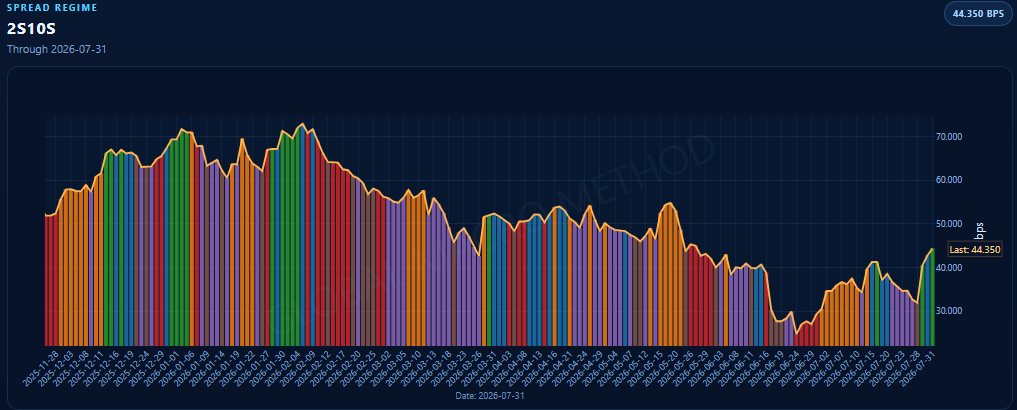
This was not a conventional dovish steepener driven by an approaching easing cycle. It was a twist steepener carrying a credibility and term-premium message. The front end judged that the Fed may not deliver a sustained hiking cycle. The long end demanded greater compensation for inflation uncertainty, oil risk and fiscal supply. The Fed left the overnight rate unchanged, but the market raised the economy’s longer-duration cost of capital.
The labour market remains unresolved. Initial claims of 197,000 show that layoffs are still low, while the Employment Cost Index rose 0.9% in the second quarter and 3.4% over the year. At the same time, June payroll growth slowed to 57,000. The regime remains “slow hire, slow fire”: firms are reluctant to add workers, but are not yet cutting aggressively.
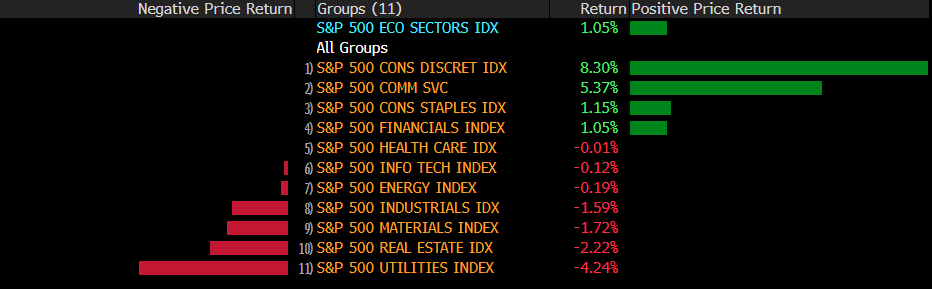
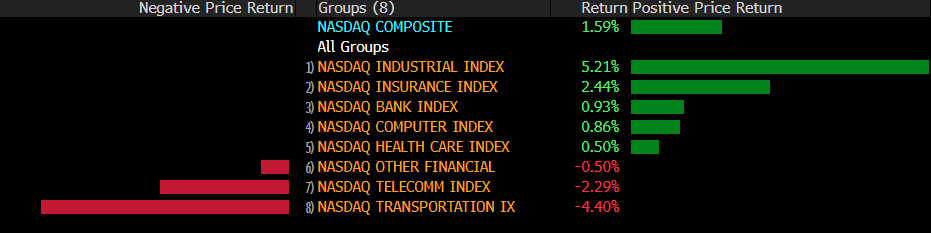
Equities looked through the rates shock because earnings did the heavy lifting. The S&P 500 gained 1.05% and the Nasdaq 1.59% over the week, supported by Microsoft and Amazon. Apple’s sharp decline showed the other side. Investors are no longer rewarding AI expenditure automatically; they increasingly require evidence that capex is becoming revenue, margins and cash flow. That leaves the index resilient but the broader market exposed to elevated long-term yields.
Outside the US, the direction was also less dovish. Euro-area GDP expanded 0.4% quarter-on-quarter, while July inflation rose to 2.9%, core inflation to 2.5% and services inflation to 3.3%. Growth is firm enough to remove an easy objection to further ECB tightening. In the UK, the Bank of England held Bank Rate at 3.75% by a 6–3 vote, with the minority favouring a hike because higher energy costs could become embedded in wages and pricing.
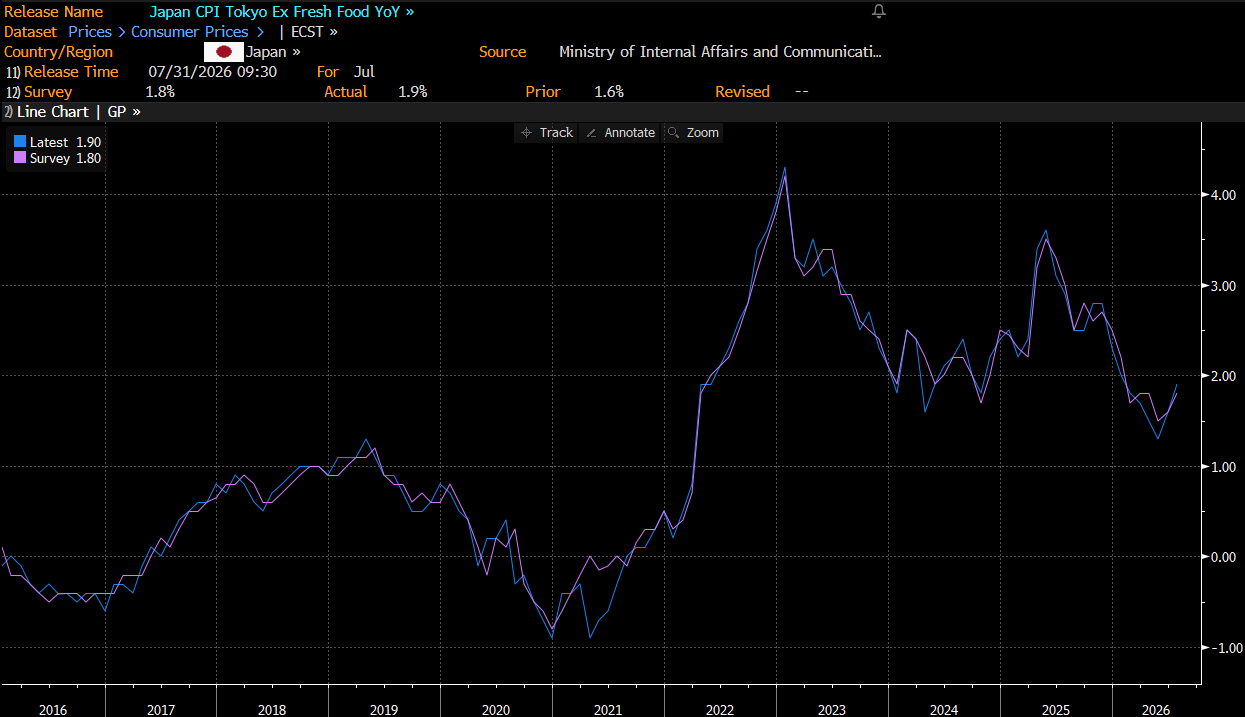
Japan presents the largest immediate cross-asset risk. The Bank of Japan held at 1%, but one member preferred 1.25% and the Bank expects to continue raising rates as underlying inflation approaches 2%. Tokyo core inflation accelerated to 1.9%, while it seem clear that coordinated US–Japan intervention helped shaped a sharp unwind in USD/JPY and yen-funded carry positions.
Oil remains the common shock linking these economies. OPEC+ is expected to approve a roughly 188,000-barrel-per-day September quota increase and then pause. With production already disrupted, that headline increase is unlikely to remove the geopolitical premium by itself.
The Week Ahead
The coming week divides into two US tests. Payrolls will govern the front end and September Fed pricing. Treasury’s borrowing estimates and Wednesday’s Quarterly Refunding Announcement (QRA) will govern the long end. Treasury previously projected $671 billion of privately held net marketable borrowing for July–September. Any hint that future coupon issuance must increase would reinforce the term-premium sell-off, an unchanged schedule would offer relief.
Before payrolls, ISM manufacturing, JOLTS and ISM services will test whether demand and prices paid remain firm. Thursday’s productivity and unit-labour-cost data may be equally important. Strong productivity with contained labour costs would allow the Fed to wait. Weak productivity and firm compensation would imply that wage growth is feeding more directly into inflation.
The key asymmetry is that weak payrolls may rally the two-year far more than the long end. Oil, supply and credibility concerns can keep 10- and 30-year yields elevated even as hike expectations fall. Conversely, a strong report would pull the front end higher and partially flatten the curve.
The base case is that the labour market avoids a clear break, Treasury leaves near-term coupon sizes broadly unchanged, and September remains live rather than predetermined. That would preserve the current regime, resilient nominal demand, an inflation-constrained Fed, pressure on long-duration assets and an equity market increasingly dependent on earnings rather than multiple expansion.