

The market is getting comfortable with a Fed hike. The question is what happens when higher energy costs and tighter policy hit the economy together.
Reviewing the week ended 11 September | Previewing the week ahead to 14–18 September 2026
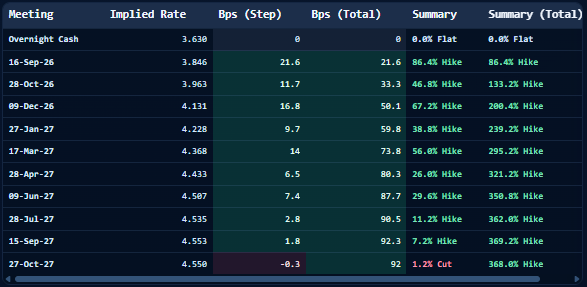
Friday’s bounce was welcome. It wasn’t an all-clear. The S&P 500 recovered 0.86%, but still finished the week down 0.8%. Meanwhile, interest-rate futures put the probability of a September Fed hike near 90%, up from roughly 72% on Thursday. Equities rallied without the rates market becoming more dovish.
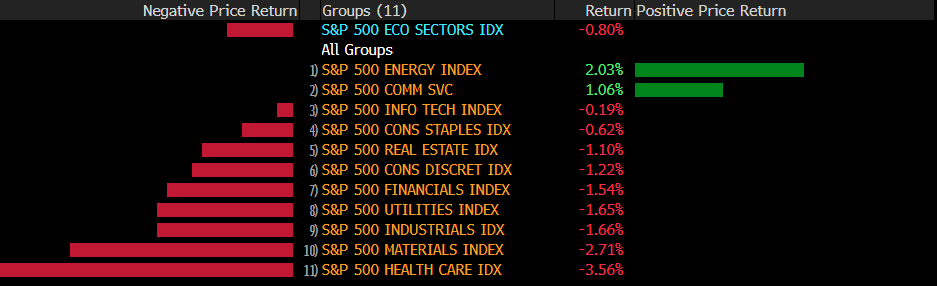
That is the distinction I want to carry into next week. A market can welcome a central bank getting on top of inflation without becoming more optimistic about growth. Equally, a relief rally does not tell us that the underlying pressure on households, businesses and valuations has disappeared.
My read is that the US still has enough resilience to allow further tightening, but resilience and immunity are two very different things.
The Week That Was: Enough resilience to tighten, enough pressure to matter
August CPI rose 0.4% on the month, with headline inflation holding at 3.4% annually. Gasoline prices increased 3.9%, accounting for more than a third of the monthly headline rise. Core inflation increased 0.3%, up from July’s 0.2%, although its annual rate edged down from 2.5% to 2.4%. That last point matters: this was not inflation accelerating everywhere. It was a firmer monthly reading alongside another energy-driven squeeze.
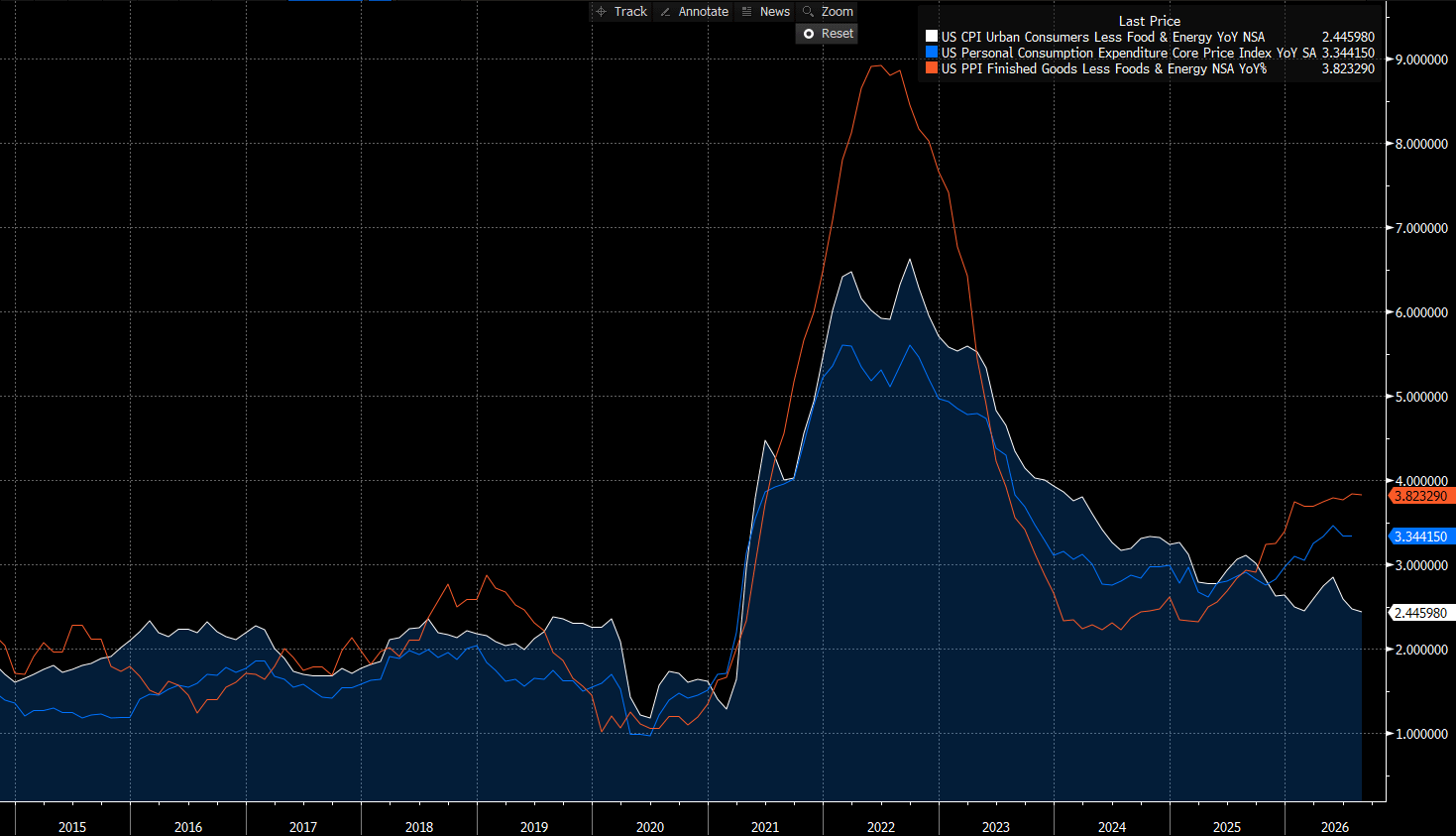
Producer prices reinforced that distinction. Headline PPI increased 0.4%, taking annual inflation to 5.4%, but the composition was uneven. Goods prices rose 1.1%, while services increased just 0.1%. Diesel prices jumped 24.1%, and transportation and warehousing prices rose 2.3%. I would not treat PPI as a mechanical forecast of CPI, but those transport-related increases are a clear warning about the costs businesses are facing.
The labour market, meanwhile, has not delivered the deterioration that would make the Fed’s decision straightforward in the other direction. The previous week’s employment report showed 162,000 jobs added in August and unemployment at 4.1%. This week, initial jobless claims edged down to 206,000. That does not prove demand is booming, but it makes an immediate recession argument difficult to sustain.
The more uncomfortable signal came from households. Michigan consumer sentiment fell to 47.8 from 51.7, while year-ahead inflation expectations jumped from 4.0% to 4.6%. Longer-run expectations moved more modestly, from 3.3% to 3.4%. This is not proof that expectations have become unanchored. It does, however, describe an awkward combination: consumers becoming less confident about their finances while expecting prices to rise faster.
Put those pieces together and the policy problem becomes clearer. The Fed does not yet have compelling evidence that employment is breaking, but it does have reasons to worry that the inflation shock could persist. My concern is that the response needed to contain that risk could weaken demand further down the track.
The real question starts where the rate-hike debate ends. Below, I unpack what the Treasury curve actually priced, why the same Fed decision could produce very different market outcomes, and the signals I need before putting more risk to work. Sign up for a paid GMM subscription to read the full analysis, access to the dashboard website (here) and the portfolio implications.
