

The rollback of U.S. tariffs presents a short-term (1–8 week) opportunity to position for a “Goldilocks” scenario in markets. Easing trade tensions should reduce cost pressures (dampening inflation) while improving business confidence and global growth prospects. This encourages a dovish tilt in Fed policy, fuels an equity rally, and weakens the U.S. dollar as safe-haven demand ebbs. We propose a multi-asset trade to capture these moves across Rates, Equities, and FX:
Rates: Position for lower short-term interest rates (Fed easing) – e.g. long front-end SOFR futures (betting yields fall).
Equities: Go long U.S. equities (S&P 500 or trade-sensitive sectors) to ride improving risk sentiment and earnings outlook.
FX: Short the USD (e.g. long AUD/USD) to benefit from reduced risk aversion and narrowing rate differentials.
Each leg is detailed with entry, stop-loss, target, and rationale. The trade aims to profit from the confluence of falling interest rates, rising stocks, and a softer dollar under a tariff-de-escalation scenario, while risk management is in place if conditions change.
Macroeconomic Rationale for Tariff Rollback Scenario
Easing Trade Tensions: Impact on Growth and Inflation
Rolling back tariffs removes a tax on trade, which should lower import costs and consumer prices modestly. Analysts estimate that eliminating the post-2016 U.S. tariffs could shave off roughly 0.3 percentage points from the price level (one-time effect). In other words, tariff removal alone might reduce current inflation by ~0.3%, a small but notable relief in a high-inflation environment.
Crucially, the tariff rollback comes at a time when U.S. inflation has been moderating and growth has been under pressure.
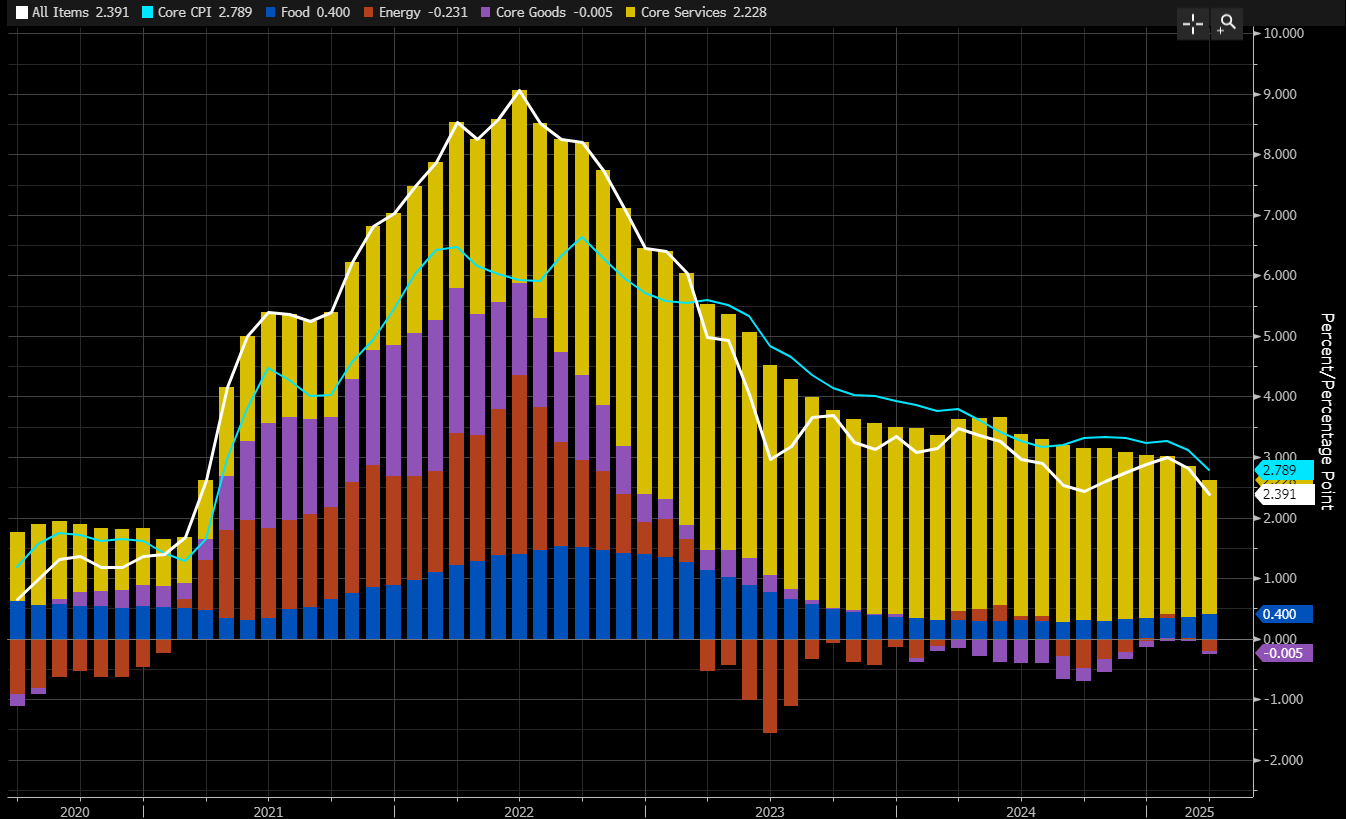
Recent data shows headline CPI was in the mid-3% range YoY, with core inflation still somewhat above the Fed’s target, and consumer confidence had slumped (Conference Board index down to ~86 from ~110 a year prior. Tariffs had been an added strain – the Fed noted that steep import levies were squeezing manufacturing and dampening business sentiment, even contributing to a surprise GDP contraction in Q1. Major U.S. companies warned of hits to earnings as tariffs raised costs and crimped consumer spending.
By removing tariffs, these drags are expected to reverse:
Inflation: Lower tariffs directly reduce the prices of affected goods (e.g. imported consumer products and inputs). While the effect (a few tenths off CPI) is relatively modest, it helps fast-track the disinflation trend. This alleviates the Fed’s concern that tariff-driven price spikes could become an “ongoing inflation problem”. In essence, de-escalation is a supply-side boon that cools inflation at the margins without damping demand – a welcome development for policymakers.
Growth: U.S. and global growth get a boost. Tariffs had “tanked consumer and business sentiment” and hit manufacturing – their removal should rebuild confidence. Firms facing lower input costs and less uncertainty may revive capex plans. Exporters and trade-dependent industries (e.g. agriculture, machinery, technology) should see improved demand as foreign retaliatory tariffs fade. Overall, the risk of a trade-war-induced recession recedes, and GDP growth outlook for coming quarters brightens. This is essentially a positive supply shock (lower costs) combined with a demand tailwind (greater clarity for businesses).
Scenario analysis: Under a broad tariff rollback, we expect a “soft landing” scenario to gain credibility – inflation easing toward target even as growth stabilizes. This contrasts with the stagflationary risk that tariffs posed (higher inflation and lower growth). Our base case assumes U.S.–China tensions markedly de-escalate (tariffs reduced on both sides), though even partial relief (e.g. removal of select import duties) would still move markets in the same direction, if to a lesser degree.
Fed Policy and Interest Rates Outlook
A tariff rollback materially shifts the calculus for the Federal Reserve. With price pressures abating and an economic cloud lifting, the Fed can pivot from a defensive stance to a more accommodative one to shore up growth. Market-implied expectations already foresee Fed easing ahead, and trade peace amplifies this dovish bias:
Current Forward Rate Path: As of early May 2025, the Fed’s policy rate stands around 4.33% (effective Fed Funds) after earlier precautionary cuts.
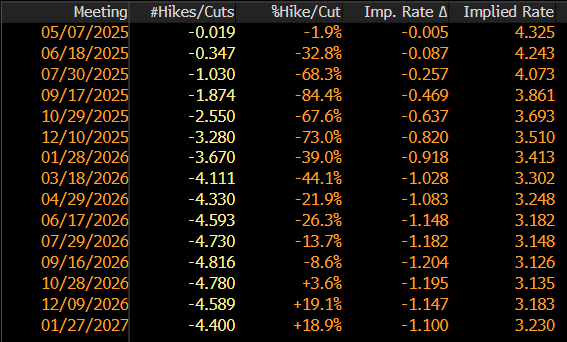
Futures pricing projects the Fed will reduce rates by ~0.8–1.1% over the next 1–2 years, bringing the policy rate to roughly 3.5% by end-2025 and ~3.1–3.2% by late 2026. (For instance, the implied rate for the Dec-2025 FOMC meeting is ~3.51%, about 82 bps lower than today.) This curve (derived from SOFR futures and FOMC-dated OIS) reflects expectations of multiple Fed rate cuts as the economy slows and inflation retreats.
Dovish Shift from Tariff Relief: With tariff pressures lifted, the Fed is even more free to ease policy. Previously, policymakers worried that trade tariffs would raise inflation and unemployment simultaneously, a dilemma that had kept them cautious. Now, the prospect of lower inflation gives the Fed cover to cut rates faster or deeper if needed to support growth. We anticipate Fed forward guidance to turn more dovish, emphasizing flexibility to lower rates since one source of inflation (import tariffs) is off the table. In practical terms, the odds of a near-term rate cut increase – the Fed could move as soon as the next meeting or two if data weakens, whereas without tariff relief they might have waited.
Yield Curve Dynamics: In a de-escalation scenario, we expect the yield curve to steepen modestly.
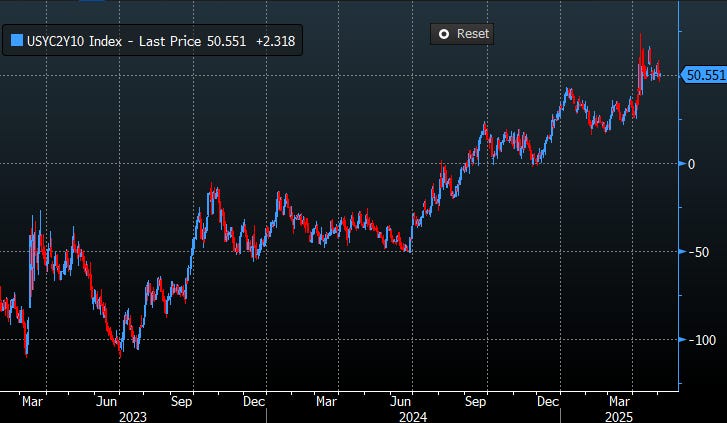
Short-term yields should fall as rate-cut bets build (front-end yields are tightly linked to anticipated Fed moves), while long-term yields may hold steady or even rise slightly. An improving growth outlook can lift long-end yields, even as inflation expectations decline – a recipe for a steeper 2s/10s curve. Indeed, the U.S. 2–10 year spread has already swung from deeply negative to positive as the market priced in end-of-cycle cuts (it is around +50 bps currently, after being –40 bps in early 2024). Further steepening is possible if front-end yields fall on policy easing while term premiums edge up with revived economic optimism.
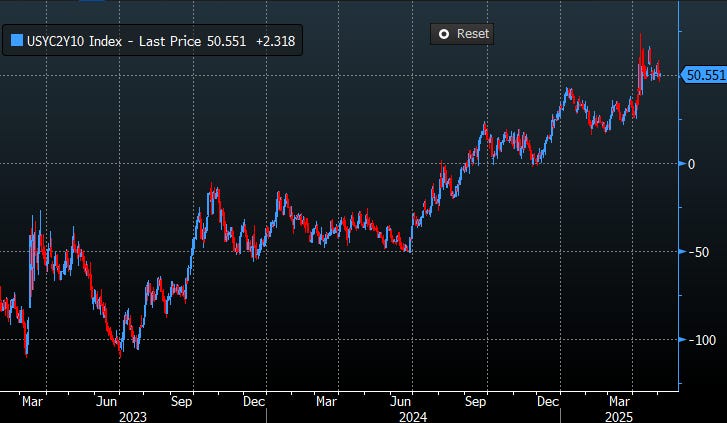
Bottom line for rates: We have a bullish view on bonds, especially at the front end. Short-term interest rates are likely to decline in the coming weeks as markets price in a friendlier Fed. Forward-rate agreements and futures should rally (yields implied by June/Sept. 2025 contracts could fall). However, we are cautious on long-duration bonds – with recession fears fading, the 10-year yield might rise or stay range-bound even as the 2-year yield falls. Thus, the more compelling trade is on front-end rates (Fed cuts) rather than a pure duration play. We incorporate this via a long position in short-term rate futures rather than outright long bonds.
Equities Outlook
Global equities are poised to surge on any concrete tariff rollback, as one of the market’s major overhangs is lifted. U.S. stocks, which have been resilient but range-bound amid trade headlines, could break decisively higher on de-escalation news. The reasoning is twofold: improved earnings prospects and reduced risk premia.
Earnings and Sectors: Tariffs functioned like a tax on U.S. companies – raising input costs for manufacturers/retailers and inviting foreign retaliation on exporters. Removing them should directly boost corporate earnings via cost relief and potentially lower consumer prices spurring demand. S&P 500 profit margins, which were under pressure from higher import costs, will get a breather. Companies that were hit hardest by the trade war stand to gain the most. These include:
Industrial manufacturers and capital goods (e.g. machinery, aerospace):
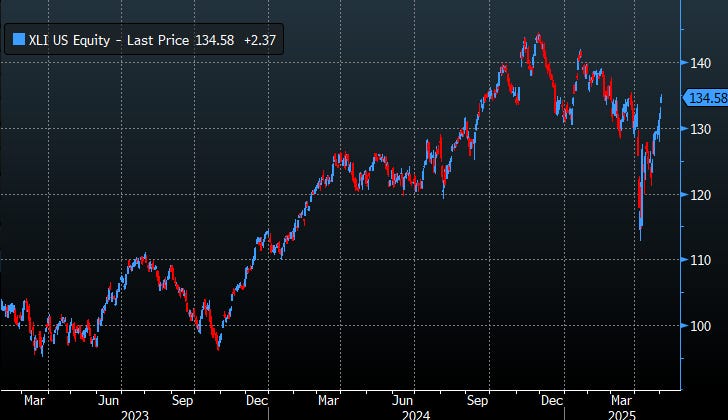
Many faced higher steel/aluminum and component costs and saw overseas orders dry up. Tariff relief lowers their costs and encourages trading partners to buy U.S. goods again.
Technology and semiconductors:
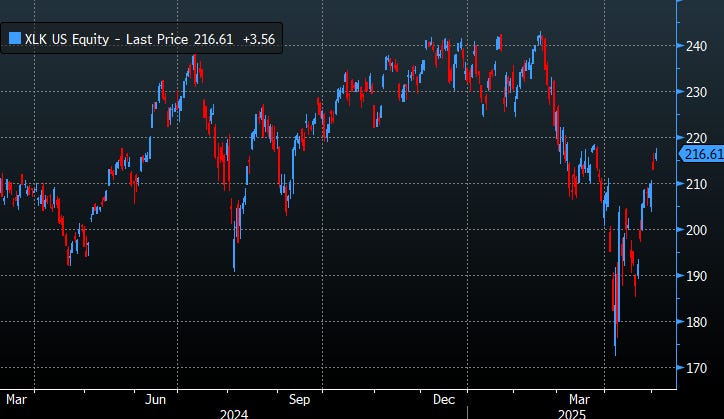
Tech firms were caught in the crossfire (think of hardware companies relying on Chinese supply chains or chipmakers selling to China). A thaw could ease supply bottlenecks and reopen markets, aiding the sector.
Consumer goods and retail: Tariffs on imported consumer items (apparel, electronics, etc.) raised prices for consumers. With tariffs gone, retailers can restock at lower cost or pass lower prices to shoppers, supporting volumes. Discretionary spending could pick up.
Broadly, equity valuations may expand as the risk of a trade-induced profit slump abates. It’s telling that when a tariff pause was announced in April, the S&P 500 surged ~7% in a relief rally. We expect a similar enthusiastic reaction if a genuine rollback is confirmed.
Risk Sentiment and Volatility:
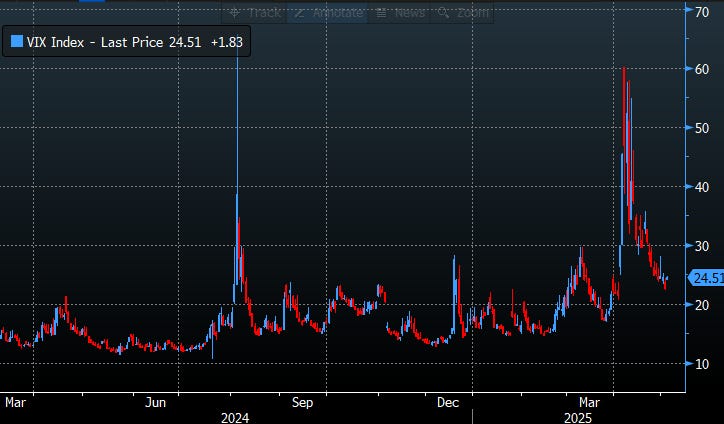
Beyond fundamentals, the market risk premium should decline on improved geopolitical climate. Trade war escalation had fueled volatility (VIX spiked) and made investors demand higher returns for equity risk. Now, clarity on trade policy encourages investors to increase equity exposure. We’ve already seen “global stocks rocket higher” on signs of tariff U-turns. With this major uncertainty resolved, a FOMO (fear of missing out) rally could ensue as cash on the sidelines gets put to work. Lower interest rates also make equities more attractive relative to bonds, supporting rotation into stocks.
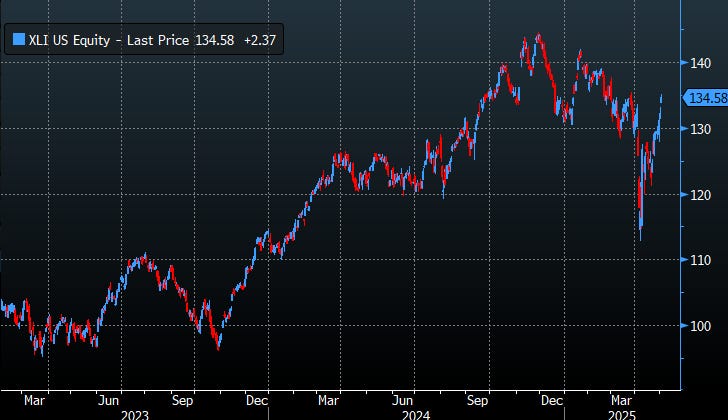
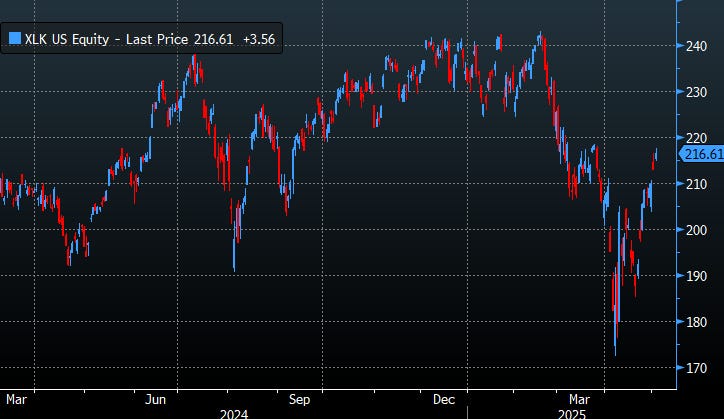
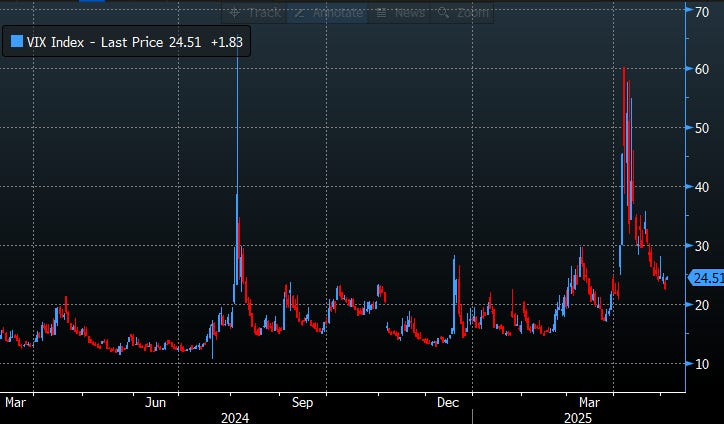
In the short term, U.S. equities (S&P 500, Dow, Nasdaq) likely have upside of several percentage points. We note the S&P 500 is already trading near record highs (~5700 on futures, having rallied in anticipation of Fed easing); a positive trade breakthrough could propel it further into uncharted territory. We target cyclically sensitive sectors for outperformance – e.g. Industrials (XLI), Technology (XLK), and Materials (XLB) – as they benefit disproportionately from revived trade flows. Defensive sectors (Utilities, Staples) may lag in a risk-on rotation.
Equity scenario risks: If the tariff rollback is smaller than hoped or comes with strings attached, the equity rally could be more muted. Conversely, if negotiations falter, the market could quickly give back gains – highlighting the need for stop-loss discipline on long positions. For now, our base case assumes a meaningful de-escalation, justifying a bullish equity stance.
U.S. Dollar and FX Outlook
The U.S. dollar is expected to soften in a de-escalation scenario, particularly against trade-sensitive and risk-sensitive currencies. Several forces drive this FX view:
Safe-Haven Flows Reverse:
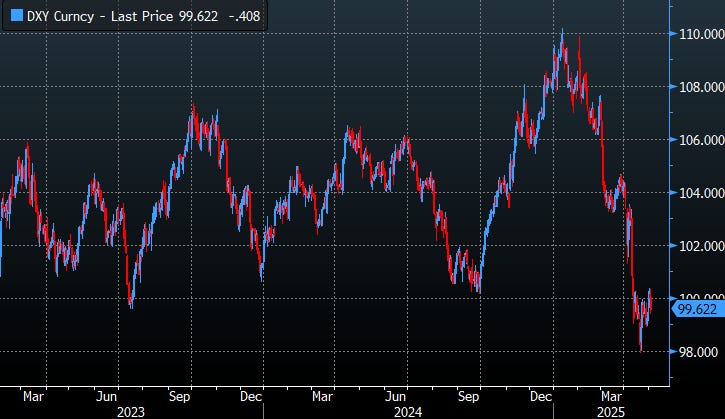
During trade conflict escalation, the USD tended to catch a bid as a safe haven (especially against emerging market and cyclical currencies). With tensions easing, that safety premium should unwind. Capital that sought refuge in U.S. assets can flow outward again, pressuring the dollar lower. We have already seen signs of investors turning bearish on the dollar as trade war risks grew, expecting U.S. policy turmoil to eventually weaken the currency. A tariff deal confirms those expectations and encourages investors to redeploy into other currencies and markets.
Interest Rate Differential Narrows: The Fed’s dovish shift means U.S. interest rates will likely fall relative to other countries. A year ago, the USD was supported by the Fed’s higher rates; now that advantage is eroding. Forward curves imply U.S. short-term rates dropping toward ~3% over the next 1–2 years, whereas the ECB and other central banks may not ease as quickly. As U.S. yields compress, the incentive to park money in USD assets diminishes, weighing on the dollar.
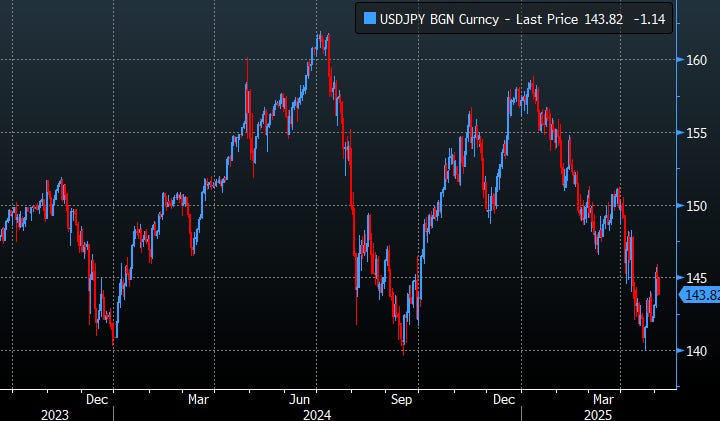
(Notably, the USD/JPY pair could be volatile: normally lower U.S. yields favor yen strength (USD/JPY down), but risk-on sentiment favors yen weakness. On balance we expect the yield effect to dominate over a multi-week horizon, making USD/JPY a candidate to fall.)
Outperformance of Trade-Linked Currencies: Currencies of major U.S. trading partners should outperform in a tariff truce. The euro (EUR), for example, could gain as Europe’s economy benefits from reduced global uncertainty – recent positioning flipped to long EUR vs USD in anticipation of U.S. trade troubles. More dramatically, commodity and Asia-Pacific currencies stand to rally: the Australian Dollar (AUD) is a prime example. Australia’s fortunes are tied to Chinese demand and global commodity trade. A U.S.-China tariff rollback improves the outlook for China’s economy and commodity prices, which typically lifts AUD. Similarly, emerging market currencies (MXN, CNH, KRW, etc.) should strengthen due to improved export prospects and the return of carry trades once volatility subsides.
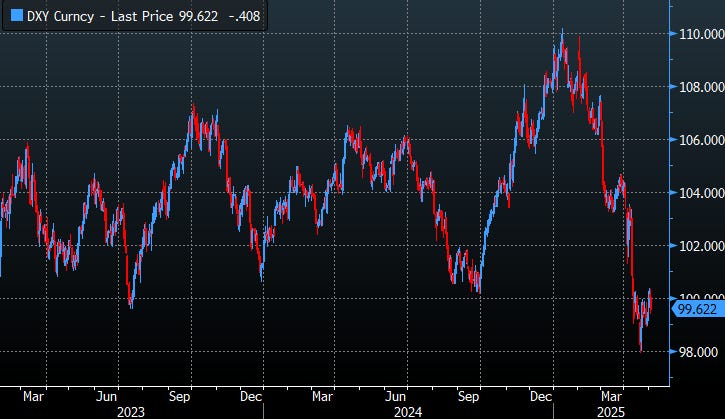
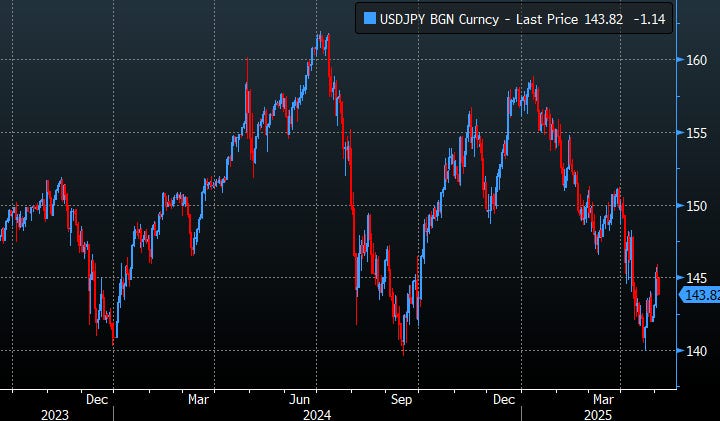
In summary, the USD is likely entering a cyclical downtrend under this scenario, losing ground against both major currencies (EUR, JPY, GBP) and pro-cyclical ones (AUD, CAD, EM FX). The dollar index (DXY) could retrace some of its safe-haven gains. Our preferred FX expression is to short USD against the AUD, given the AUD’s high beta to global trade and its relatively depressed valuation – AUD/USD is around 0.64–0.65 (having been pushed down by risk aversion), and we see scope for a rebound.
FX scenario caveats: If for any reason the tariff rollback spurs a sharp improvement in U.S. growth relative to the rest of the world, the dollar’s decline might be limited – strong U.S. activity could attract flows or prompt the Fed to not cut as much. However, given the synchronization of this as a global positive, we expect international assets to keep pace or outperform, still yielding USD weakness. In a risk-off surprise (trade talks collapse), USD would likely surge again – hence our stop-loss on the short-USD leg to contain that risk.
