Building the Information Mosaic
In Part 1 of the Macro Decision Engine, we started with the cycle.

Before risking capital, you need to understand the environment you are operating in. Growth, inflation and liquidity behave differently across different regimes, and the same data point can have completely different market implications depending on whether the economy is expanding, slowing, contracting, or recovering.
In Part 2, we moved from the cycle to the dominant theme.

The cycle tells you the environment. The theme tells you what the market actually cares about inside that environment. Sometimes the dominant theme is inflation. Sometimes it is growth. Sometimes it is liquidity, policy credibility, fiscal risk, geopolitics, earnings, AI, energy, China, credit stress, or positioning.
In Part 3, we moved into market pricing.

Being right is not enough. A macro view only becomes tradable when there is a gap between what you believe is likely to happen and what the market has already priced. The cycle gives you the environment. The theme tells you what matters. Pricing tells you whether the opportunity still exists.
But even after working through those three stages, one more question remains.
Is the evidence strong enough to risk capital?
That is where the information mosaic comes in.
Macro conviction does not come from one chart, one data point, one headline, one model, or one opinion. It comes from assembling multiple pieces of evidence into a coherent view of the world. The goal is not to find a single perfect signal. The goal is to build a weight of evidence strong enough to justify taking risk.
This is the fourth step in the Macro Decision Engine.
Once you understand the environment, the theme and the pricing, you need to build the evidence base.
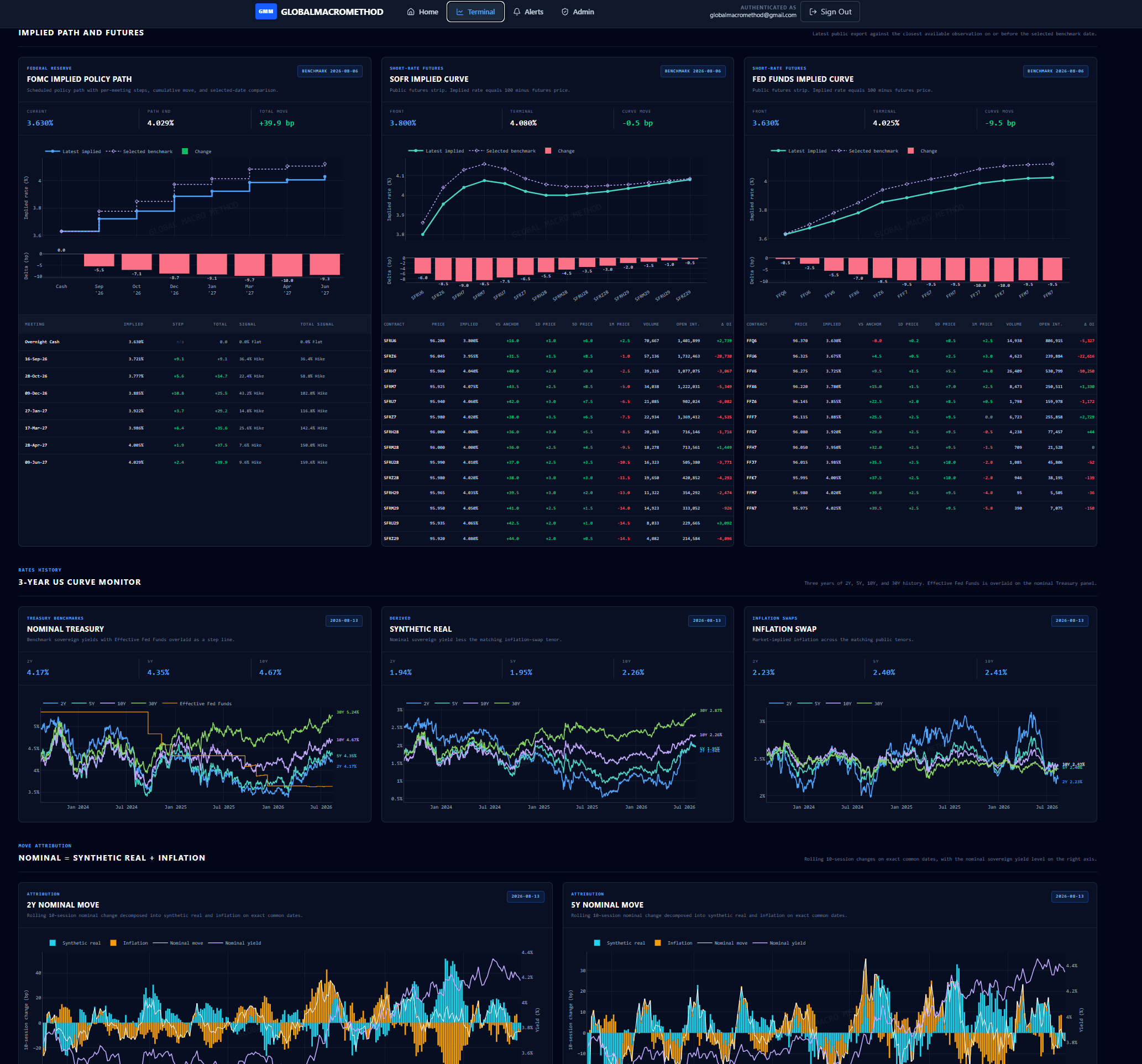
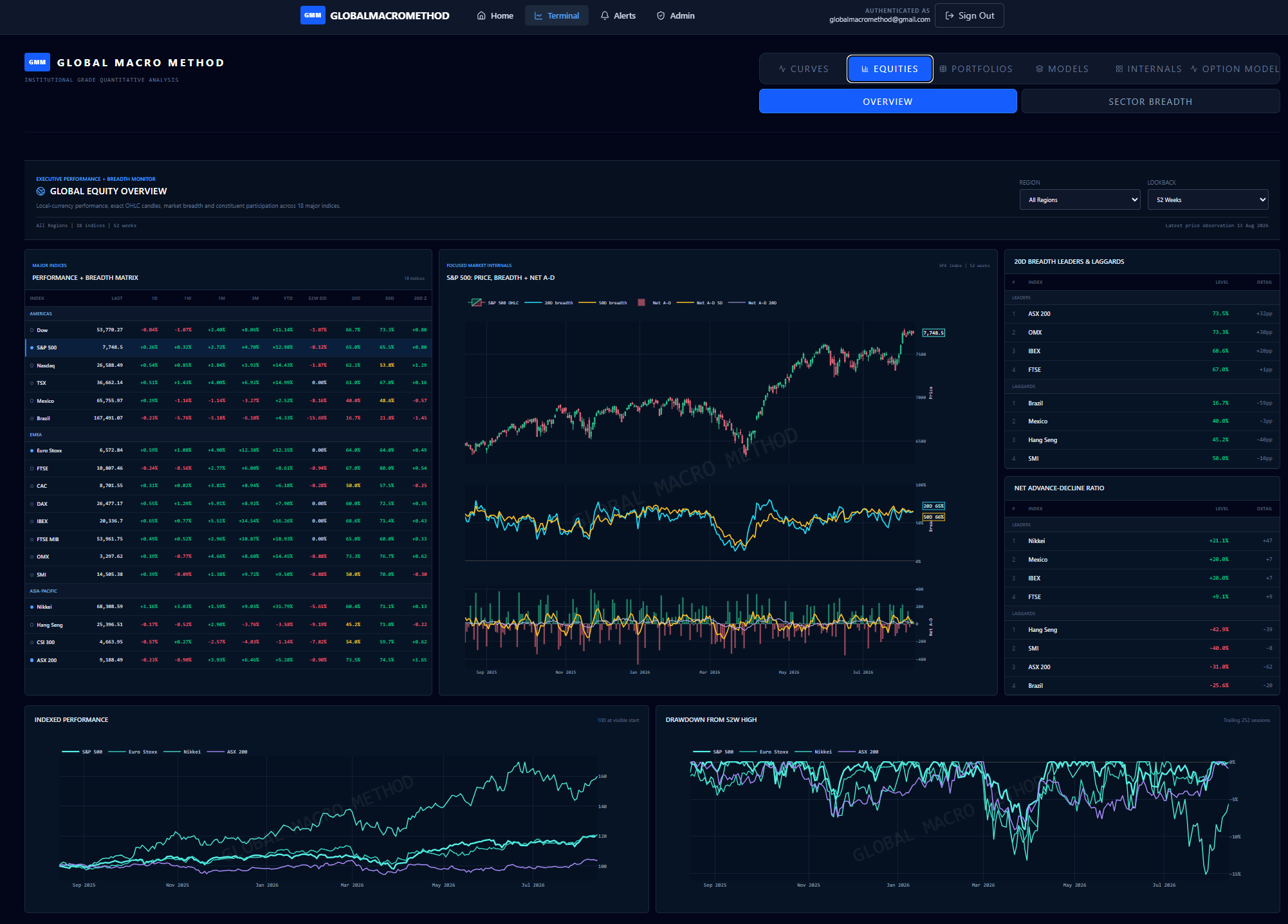
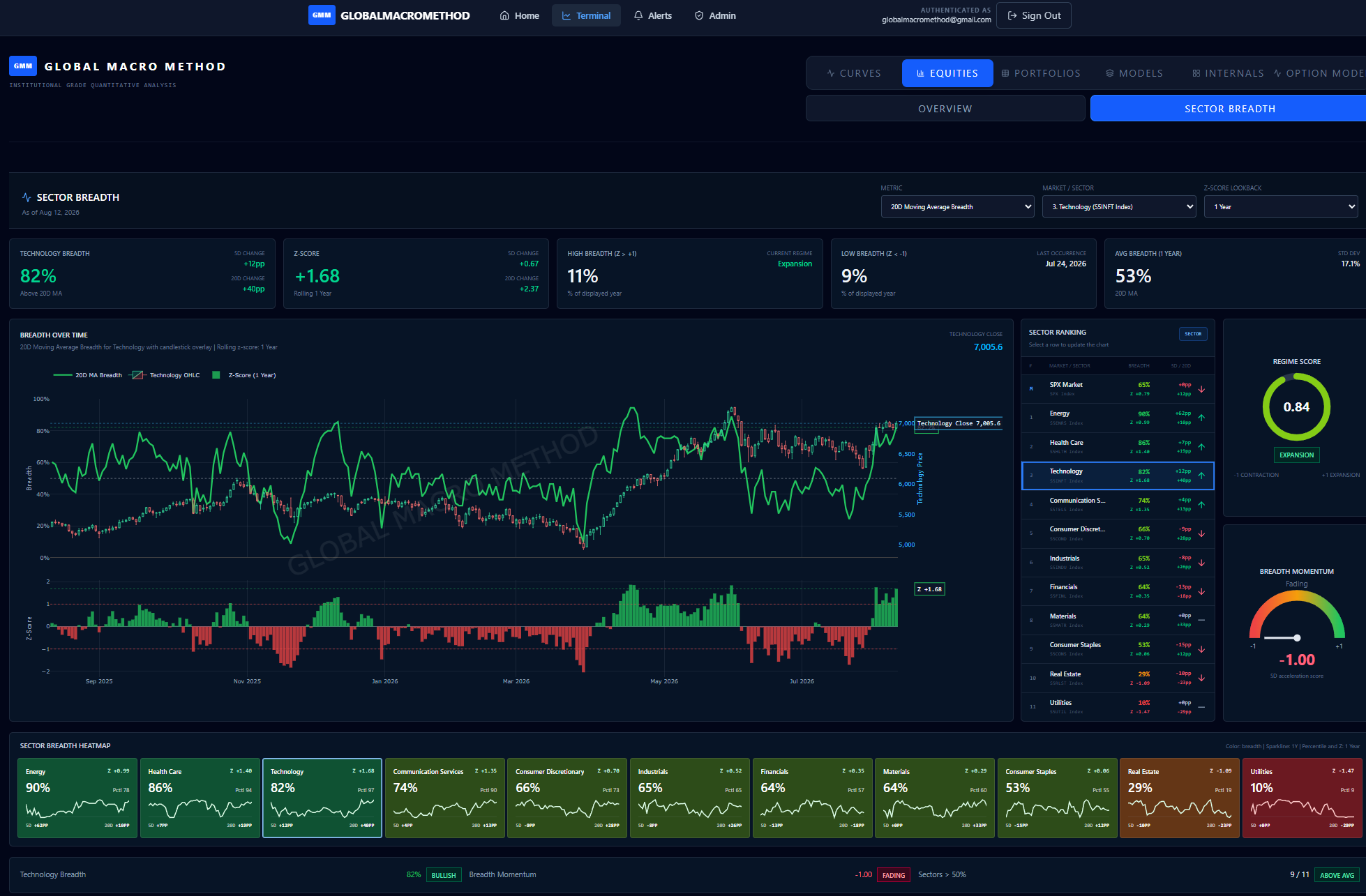
The first 4 installments of this series paired with the GMM website (www.globalmacromethod.com) contain all the tool, information to be ‘macro’ so get involved and sign up!